Calcium
Calcium is the most studied regulatory ion in biology. Mainstream advice sometimes restricts dietary calcium to prevent arterial calcification. The opposite is the case: inadequate intake worsens soft-tissue calcification while the skeleton loses mineral, and stressed cells take up excess calcium when magnesium and energy metabolism fail.[1]
| Calcium | |
|---|---|
| Chemical formula | Ca |
| Solubility | Reacts with water; Ca²⁺ salts vary by anion |
| Bioavailability | Citrate and lactate absorb well; carbonate needs acid; oxalate-rich greens absorb poorly |
| Dietary sources | Milk, cheese, eggshell powder, low-oxalate greens, sardines with bones |
| RDA (adults 19–50 y) | ~1,000 mg/day (mainstream adult reference) |
| Upper limit | 2,000-2,500 mg/day (mainstream adult UL) |
| Ray's verdict | |
It is extremely important to realize that calcium deposits in soft tissues become worse when the diet is low in calcium.
Magnesium is the basic protective calcium blocker. Inflammation, Hypothyroidism, and protein deficiency shift ions toward sodium and calcium inside cells and away from magnesium and potassium.[1] See Parathyroid hormone, Vitamin D, Vitamin K, Harm reduction.
Dosing
[edit]Peat favored milk-and-fruit or milk-and-meat patterns with generous calcium and magnesium rather than low-protein vegetarian plans marketed for bone health.[1] Leafy greens are magnesium-rich but can carry lead and other toxins in Peat's caution.[1]
See Egg § Eggshell calcium for the recipe and full absorption literature.
Interactions
[edit]Because milk is made for growth, its phosphate may be slightly more than an adult needs relative to its calcium.[3]
- Lead and cadmium are divalent cations that mimic calcium in gut uptake and bone/soft-tissue pathways; iron deficiency and low calcium raise absorption of these toxic metals, and calcium status interacts with lead in nerve and cadmium/aluminum in bone in mainstream toxicology reviews.[4] Shared transporters such as DMT1 move Fe<su+, Pb<su+, and Cd<su+ across enterocytes.[5]
- Vitamin D increases calcium absorption (standard physiology).
- Vitamin K and Vitamin A guide calcium deposition in Peat community framing.[6]
Blood clotting (especially excessive): promoted by estrogen and calcium, restrained by magnesium and progesterone.
— Ray Peat[7]
- Glycine reduces inflammatory calcium entry in gut cells in animal work Peat cited.[8]
- Aspirin inhibits PTH-driven calcification and IL-6 in Peat's calcium article.[1]
Aspirin improves calcium retention in bones, and it isn't as profitable as an osteoporosis drug as the bisphosphonate and such things. But it's very safe as long as you take vitamin K along with it.
And both aspirin and vitamin K are known practical bone-building supplements.
History
[edit]Etymology
[edit]The name comes from Latin calx ("lime"), referring to calcium oxide and limestone, materials used in construction and mortar since antiquity.
Humphry Davy isolated metallic calcium in 1808 by electrolysis of lime.
Structure/Chemical properties
[edit]Calcium (Ca, atomic number 20) is mainly extracellular in Peat's ion summary, paired with Sodium, while magnesium and potassium dominate intracellular fluid when metabolism is efficient.[1] Organic tissues bind metal ions selectively; respiration and metabolic acids (CO₂, lactic acid) move ions without invoking membrane "pumps".[1]
Function/Mechanism of Action
[edit]Stressed or de-energized cells lose magnesium and potassium and absorb sodium and calcium. Mitochondrial calcium overload inactivates respiration and pushes glycolysis, starting calcification in mitochondria and spreading through inflammation and fibrosis.[1]
Aberrations in intracellular calcium stores, via SERCA2, ryanodine receptors (RyRs), IP3 receptors (IP3Rs), and parvalbumin (PVALB), are implicated in autism spectrum disorder, ADHD, and schizophrenia.[11]
The antimetabolic actions of PTH mimic those seen in aging and diabetes.
— Ray Peat[12]
Parathyroid hormone rises when dietary calcium or magnesium is low, drawing calcium from bone and promoting inflammatory mediators including IL-6. Estrogen, Serotonin, and Prolactin interact with that cascade.[1][13] In healthy young men, four days of oral calcium lowered parathyroid hormone for several hours after each dose and cut a urinary marker of bone breakdown by a third; the drop over the whole day was modest.[14] Increased CO₂ and bicarbonate favor bone formation; Progesterone and Aspirin appear as opposing themes to PTH-driven calcification.[1]
Prolactin raises intestinal calcium absorption in female rats; bromocriptine blocks that effect (review of animal work).[15]
An intravenous calcium drip cut a TRH-driven prolactin spike by about a third in 11 healthy women, and calcium infusions lowered serum prolactin in most children studied for calcium disorders. That is acute IV calcium, not dietary calcium, and not evidence that eating calcium lowers everyday prolactin.[16][17]
Nocturnal calcium loss
[edit]Sleep is not metabolically neutral for bone. Protein breakdown outpaces synthesis overnight even during restorative sleep, and most calcium loss from bone shows up in the following morning's urine, timed to the morning rise in stress hormones.[18] Adequate calcium and vitamin D, sufficient to keep PTH low, help counter that nightly catabolic process alongside a bedtime carbohydrate snack to limit the nocturnal rise in free fatty acids.[19]
Medical uses/Effects
[edit]Adequate calcium and magnesium intake had anti-inflammatory and anti-allergy effects, with links to arrhythmia relief, obesity, and emotional disturbance when minerals were chronically low.[1] Hard-water regions with high calcium or magnesium showed lower mortality from heart disease and some cancers in epidemiology he cited.[1]
A 10-year follow-up of 5,448 adults free of heart disease at baseline (Multi-Ethnic Study of Atherosclerosis, MESA) found high total calcium intake associated with lower risk of incident coronary artery calcification, but that protection held specifically for calcium from diet; calcium from supplements was associated with increased CAC risk instead.[20]
Weight, appetite, and adiposity
[edit]The ratio of calcium to phosphate is very important; that's why milk and cheese are so valuable for weight loss, or for preventing weight gain. For people who aren't very active, low fat milk and cheese are better, because the extra fat calories aren't needed.
— Ray Peat[21]
Low dietary calcium is a risk factor for overweight; calcium or dairy in low-calcium consumers can accentuate weight and fat loss during restriction via more fat oxidation and fecal fat loss and easier appetite control.[22]
In obese women on a 6-month energy-restricted diet (−600 kcal/d), milk providing 1,000 mg calcium/day (n=13) versus isoenergetic placebo (n=12) produced a smaller rise in desire to eat and hunger after weight loss, and fullness fell less than weight loss alone would predict.[23]
In 32 obese adults on a 500 kcal/day deficit for 24 weeks, a standard low-calcium diet lost 6.4% body weight; high-calcium (+800 mg/day) raised that to 8.6%, and a high-dairy diet (1,200–1,300 mg calcium/day) to 10.9%. Fat loss rose 38% and 64% on high-calcium and high-dairy versus standard; trunk fat as a share of total fat loss rose from 19% on low calcium to 50% and 66% on high-calcium and high-dairy.[24]
In agouti transgenic mice on high-fat/high-sucrose feed, high-calcium diets (including non-fat dry milk protein replacement or CaCO₃ to 1.2% Ca) cut weight gain and fat-pad mass 26–39% and inhibited adipocyte fatty acid synthase expression and activity by 51%, while raising lipolysis 3.4- to 5.2-fold.[25]
Blood pressure and salt sensitivity
[edit]David McCarron's analysis of government diet-and-hypertension data showed the opposite of the standard low-salt advice: people eating the most salt had the lowest blood pressure, and those eating the least salt had the highest. McCarron concluded calcium deficiency, not sodium excess, was the more likely explanation.[26] A controlled feeding trial later found dairy-based diets improved blood pressure in hypertensive adults specifically through a reduction in intracellular calcium.[27]
This gives a practical threshold for who actually needs to worry about sodium/salt intake: hypothyroidism combined with calcium deficiency is what makes someone salt-sensitive in the first place, and correcting thyroid function alone doesn't fully remove that sensitivity.[28]
If your calcium intake is well over 1,000 mg per day and your Vitamin D is good, then there's very little likelihood that you will be one of those salt-sensitive people.
— Ray Peat[29]
Milk concentrates usable calcium and protein while excluding much plant-sourced strontium and lead relative to vegetable-only calcium plans Peat critiqued.[1] Animal protein supports bone mineral density in elderly women in studies Peat cited (Bell and Whiting, 2002).[1]
Prolactin
[edit]Peat named calcium, along with vitamin A and thyroid, as a help in holding down excess prolactin.[30]
Side/Adverse effects
[edit]Restricting calcium to prevent soft-tissue calcification intensified the problem: everyone has a skeleton, so cells still need dietary calcium even when arteries are calcifying.[1] Kidney-stone patients told to avoid all milk often formed stones faster in cases he cited from Adelle Davis.[1] Low Sodium diets increase magnesium loss via aldosterone, worsening mineral balance in stressed people.[1]
Bone
[edit]Bone is living mineralized tissue, constantly remodeled by osteoblasts (building) and osteoclasts (resorbing) under mechanical load and hormonal control. Collagen forms about 30% of bone mass, with calcium and other minerals making up most of the rest.
Thyroid drives renewal, not just resorption
[edit]Adequate thyroid hormone supports bone renewal, and the bone-breakdown markers that rise with active thyroid function reflect healthy turnover rather than pathological loss:[31]
T3 increases the formation of bone.
— Ray Peat[32]
The thyroid hormone supports bone renewal, and increases indicators of bone breakdown in the blood.
— Ray Peat[33]
Calcium itself has effects beyond structural mineral supply: lowering the same stress-adjacent signals (adrenaline, parathyroid hormone, prolactin) that drive bone loss:
Calcium activates mitochondrial respiration, and lowers adrenaline, parathyroid hormone, and prolactin.
— Ray Peat[34]
Vitamin K2 specifically stimulates production of osteocalcin and osteonectin, two of the key non-collagen bone proteins, while progesterone and estrogen act oppositely on the carbonic-anhydrase pathway involved in bone remodeling.[31]
Serotonin, SSRIs, and 5-HTP
[edit]Gut-derived serotonin suppresses osteoblast proliferation; inhibiting tryptophan hydroxylase-1 with oral LP533401 raised bone formation and treated ovary-removal osteoporosis in rodents.[35] Plasma 5-HTP and related serotonin metabolites track with lower bone mineral density in postmenopausal women.[36] Oral 5-HTP worsened periodontitis alveolar bone loss in rats,[37] and 5-HTP raised bone calcium mobilization in lactating rats and dairy cows around calving.[38][39]
In SWAN midlife women, starting an SSRI went with more fractures than in nonusers; other antidepressants did not.[40] Fluoxetine blocked osteoblast differentiation and mineralization during fracture healing in mice,[41] and SSRI use associated with higher dental-implant failure.
Following the recognition that the SSRI drugs were causing osteoporosis, it was discovered that the serotonin produced in the intestine causes bone loss, and that inhibiting intestinal serotonin synthesis would stop bone loss and produce a bone building anabolic effect.
Mechanical loading in old bone
[edit]In old mice, loading the shin bone no longer built bone on its own, but a drug that opens a stretch-sensing channel in bone cells restored the bone-building response.[43]
Practice
[edit]Calcium, vitamin K2, vitamin D, adequate protein, and progesterone/estrogen balance all matter; weight-bearing movement helps when the body is adequately fueled to use it.
Osteoporosis
[edit]Blood serotonin-pathway metabolites (5-HTP, 5-HT, 5-HIAA) track bone mineral density loss in postmenopausal women and may serve as osteoporosis biomarkers.[44]
In the EPIC-Oxford cohort, vegans had higher total, leg and other main-site fracture risk than meat eaters, and fish eaters, vegetarians and especially vegans had higher hip-fracture risk. Adjusting for BMI, and slightly for calcium and protein intake, weakened the associations.[45]
Bone is living tissue: cortisol and low energy dissolve it, and estrogen-alone explanations miss progesterone and metabolic rate; soft-tissue calcium deposition alongside weak bones is the same failure pattern. Practical support: food calcium, protein, vitamin K and D, thyroid and progesterone context, and resistance loading once recovered. See Estrogen and osteoporosis, Hyperprolactinemia.
Peat's view
[edit]Progesterone, thyroid and DHEA shift bone metabolism into the growth phase, and all three fall steeply around menopause; estrogen is a factor in bone loss, and young women have thinner bones than men partly because estrogen inhibits bone growth.[46]
Repeated lactation was once considered a cause of osteoporosis and tooth loss, and prolactin, which mobilizes calcium from bone for milk, is an important factor in bone loss; drugs that raise prolactin cause osteoporosis.[47]
Most dietary protein comes with a lot of phosphate, and the phosphate-to-calcium ratio is the main activator of parathyroid hormone, so lowering phosphate or raising calcium is very important; estrogen and cortisol also contribute to demineralization.[48]
The rise in unsaturated oil use has coincided with the rise of osteoporosis, and protein oxidation from unsaturated fats contributes to age-related bone shrinkage.[49]
Parathyroid hormone
[edit]The parathyroid glands sit behind the thyroid and release parathyroid hormone (PTH). PTH raises blood calcium by absorbing bone, increasing gut absorption, and holding calcium in the kidney. It is a stress signal when dietary calcium or magnesium is low or when energy fails.
Calcium and magnesium
[edit]Cold stress was reported to create a parathyroid deficiency pattern with a fall in serum calcium.[50]
Low calcium or magnesium intake stimulates PTH. Chronic high PTH pulls calcium from bone into soft tissues under poor energy conditions. Milk and fruit, or milk and meat, supply calcium and magnesium together and quiet that axis.[51] A meta-analysis of 18 randomized trials in overweight/obese adults found combined calcium (500 mg/day) and vitamin D (700 IU/day) supplementation produced the largest measured suppression of serum PTH of any dose tested, larger than vitamin D given alone at any dose from 400 to 5,714 IU/day.[52]
Practice (parathyroid hormone)
[edit]Food calcium and magnesium first. Fix thyroid oxidation so calcium stays in bone.
High PTH with low dietary calcium is a common modern pattern under seed-oil, low-dairy diets. See Calcium, Hypothyroidism, Stress.
Parathyroid hormone (PTH) is secreted by the parathyroid glands when blood calcium is low or phosphate is high. Mainstream physiology: PTH raises serum calcium by releasing calcium from bone, increasing renal calcium reabsorption, and stimulating vitamin D activation.
History (Parathyroid hormone)
[edit]Etymology (Parathyroid hormone)
[edit]The name is descriptive: "para-" (Greek for "beside") plus "thyroid," since the parathyroid glands sit beside the thyroid gland and the hormone takes its name from them.
Ivar Sandström first described the parathyroid glands in 1880, but their function wasn't recognized until 1925, when James Collip isolated an extract from them that corrected the low blood calcium seen after their removal.
Structure/Chemical properties (Parathyroid hormone)
[edit]PTH is a small protein, made as a longer precursor and trimmed down to its active form before release. Only roughly the first third of the molecule (PTH 1-34) is actually needed for biological activity; that fragment is the basis of the osteoporosis drug teriparatide.
Function/Mechanism of Action (Parathyroid hormone)
[edit]Chronically elevated PTH acts as a central stress hormone, inhibiting mitochondrial respiration, promoting inflammation, and driving inappropriate calcium uptake into soft tissues while bones lose calcium.[53]
PTH (like estrogen and serotonin) inhibits cellular respiration and activates glycolysis, lowering the ATP level and shifting the cells' metabolism toward the production of lactic acid rather than carbon dioxide.
Respiration and carbon dioxide are the basic antagonists of the PTH.
— Ray Peat[55]
Magnesium or calcium deficiency stimulates excess PTH, which then causes cells to take up too much calcium, overlapping with Estrogen and Serotonin effects on cellular energy.[53]
Animal evidence backs the mitochondrial claim: a few days of PTH injection in rats measurably reduced heart-muscle energy production and oxygen use while raising calcium content in heart tissue; a calcium-channel blocker blocked all of these effects, and longer exposure led to reduced heart function and blood pressure.[56]
Phosphate, CO₂, and PTH
[edit]Hyperventilation (low CO₂) increases phosphate and PTH while decreasing calcium, a human observation cited to Krapf et al., 1992.[57] Adequate CO₂ and bicarbonate support phosphate excretion and lower PTH drive.
Lowering the amount of phosphate in the blood allows the parathyroid hormone to decrease. While the parathyroid hormone also prevents phosphate reabsorption by the kidneys, it causes mast cells to release serotonin (and serotonin increases the kidneys' reabsorption of phosphate), and possibly has other pro-inflammatory effects.
— Ray Peat[58]
High dietary phosphate (relative to calcium) is discussed as a driver of elevated PTH, vascular calcification, and tissue atrophy.[57]
Hormone interactions
[edit]PTH is linked to Prolactin and Estrogen: prolactin draws calcium from bone and stimulates PTH; IL-6 (inflammatory cytokine) rises with aging and interacts with both PTH and estrogen in bone resorption models.[53]
Prolactin also raises intestinal calcium absorption in rats (review of animal work).[15]
Most bone calcium loss happens overnight, alongside the nighttime rise of free fatty acids, cortisol, prolactin, PTH, and adrenaline.
Since most calcium is lost from bone during the night in association with the nocturnal rise of the catabolic substances, such as free fatty acids, cortisol, prolactin, PTH, and adrenalin, things which minimize the nocturnal stress can decrease the bone turnover. These include calcium and sugar.
— Ray Peat[59]
Vitamin D and gland enlargement
[edit]Long-standing low vitamin D is discussed as a driver of parathyroid gland enlargement, which then takes time to reverse even after vitamin D and calcium intake improve.
If your vitamin D was very low for a long time, I think your parathyroid glands probably enlarged, and might take some time to normalize under the influence of a generous amount of vitamin D and calcium.
— Ray Peat[60]
Vitamin D deficiency, low calcium, excess phosphate, hypoglycemia and stress all raise PTH, which can soften bones and harden soft tissues, especially arteries; PTH raises blood pressure even before calcification is detected, and it usually rises during the night.[61]
Enough vitamin D and calcium inhibit PTH, and chronically elevated PTH is a cancer promoter, so a PTH blood test is useful alongside vitamin D3 in the upper normal range.[62] A high-calcium diet with vitamin D seems to energize thyroid function by moving away from the PTH, aldosterone and angiotensin pattern.[63]
Medical uses/Effects (Parathyroid hormone)
[edit]Pharmaceutical PTH analogs (e.g. teriparatide) are used in osteoporosis treatment, standard medicine, distinct from the critique of endogenous chronic PTH elevation above. See Harm reduction.
Surgical parathyroid removal has been reported to eliminate diabetes in some cases, cited as evidence of PTH's systemic metabolic toxicity (clinical case reports, not a treatment recommendation).[53] A study of 6,898 people with primary hyperparathyroidism found parathyroidectomy cut major adverse cardiovascular events by 28%, with a larger reduction in patients whose calcium was highest before surgery.[64]
Countermeasures discussed (not prescriptions)
[edit]Adequate dietary calcium and magnesium, lowering excess phosphate, niacinamide and Aspirin (both lower phosphate and support glucose oxidation), Progesterone, Thyroid, and CO₂ retention oppose PTH's stress-metabolic effects.[53][57] In healthy young men, four days of oral calcium lowered parathyroid hormone for several hours after each dose and cut a urinary marker of bone breakdown by a third; the drop over the whole day was modest.[14] Since bone loss and PTH-linked catabolic substances peak overnight, a source of calcium and sugar near bedtime (for example milk) is one of the concrete moves discussed for blunting that nighttime rise.
Parathyroid Hormone redirects here.
Phosphate
[edit]Phosphate (phosphorus) is essential for ATP, cell membranes, and bone. Mainstream physiology treats phosphate as a core anion in energy transfer and signaling.
Recent publications are showing that excess phosphate can increase inflammation, tissue atrophy, calcification of blood vessels, cancer, dementia, and, in general, the processes of aging. This is especially important, because of the increasing use of phosphates as food additives.
History (Phosphate)
[edit]Etymology (Phosphate)
[edit]Phosphate is the ionic form of phosphorus, whose name comes from Greek phosphoros ("light-bearer," from phos "light" + phoros "bearer"), a reference to white phosphorus's faint glow from slow air oxidation.
Phosphorus was discovered in 1669 by Hennig Brand, the first element whose discoverer is known by name; he isolated it from boiled-down urine while searching for a philosopher's stone.
Structure/Chemical properties (Phosphate)
[edit]Inorganic phosphate (PO₄³⁻) pairs with calcium as hydroxyapatite in bone. ATP carries three phosphate groups. Free phosphate in cell water shifts ion balance in Peat's water-structuring model.[66]
Function/Mechanism of Action (Phosphate)
[edit]Mainstream biochemistry describes protein phosphorylation as an activation cascade. Glycogen phosphorylase became active when muscle contracted before phosphorylation followed.[67]
The failure of mitochondrial energy production leads to lipid peroxidation, activation of inflammatory processes, and can cause disintegration of the energy producing structure. Increased phosphate decreases mitochondrial energy production (Duan and Karmazyn, 1989), causes lipid peroxidation (Kowaltowski, et al., 1996), and activates inflammation, increasing the processes of tissue atrophy, fibrosis, and cancer.
— Ray Peat[68]
Delayed muscle relaxation in hypothyroidism, heart failure, and rigor mortis ties to ATP availability for relaxation in the same article.[69]
Medical uses/Effects (Phosphate)
[edit]Chronic kidney disease with high serum phosphate drove much early research; the phosphate-regulating gene klotho widened the aging literature.[70]
Hyperventilation increases phosphate and parathyroid hormone, and decreases calcium (Krapf, et al., 1992).
— Ray Peat[71]
Chronic respiratory alkalosis raised serum phosphate and PTH while lowering calcium in humans.[72]
Lowering the amount of phosphate in the blood allows the parathyroid hormone to decrease. While the parathyroid hormone also prevents phosphate reabsorption by the kidneys, it causes mast cells to release serotonin (and serotonin increases the kidneys' reabsorption of phosphate), and possibly has other pro-inflammatory effects.
— Ray Peat[73]
Niacinamide lowered serum phosphorus in a randomized placebo-controlled trial in hemodialysis patients.[74] Peat listed niacinamide, Aspirin, adequate calcium, CO₂ retention, and lower phosphate additives as themes opposing excess phosphate drive.[75][76] See Parathyroid hormone, Roadmap/02 - Diet.
Phosphate excess, more than calcium shortage, pushes calcium into the arteries and out of the bones, a process tied to inflammation; cooked greens and milk supply calcium and magnesium.[77]
Grains, beans and meats are high in phosphate, and the phosphate to calcium ratio is the main activator of PTH, so lowering phosphate or raising calcium matters.[78]
Parathyroid hormone rises when vitamin D or calcium is deficient, when phosphate is excessive, and in hypoglycemia and stress; it softens bone, hardens arteries and other soft tissues, raises blood pressure before calcification shows, and usually rises at night.[79]
Side/Adverse effects (Phosphate)
[edit]High dietary phosphate relative to calcium is linked to vascular calcification, soft-tissue atrophy, and hormone disruption including Estrogen synthesis (aromatase phosphate sensitivity in animal data he cited).[80]
Phosphorus is the element behind phosphate, essential for ATP, membranes, and bone. Mainstream physiology treats phosphate as core to energy transfer.
Excess dietary phosphate is associated with inflammation, atrophy, vascular calcification, cancer, and dementia, especially when supplied as food additives.[81] See Phosphate for extended article.
Dosing (Phosphorus)
[edit]Peat did not give a target phosphorus gram dose; lower additive phosphate and favor calcium-balanced foods per Roadmap/03 - Diet. See Harm reduction.
History (Phosphorus)
[edit]Etymology (Phosphorus)
[edit]The name comes from Greek phosphoros ("light-bearer," from phos "light" + phoros "bearer"), describing the faint glow white phosphorus gives off from slow oxidation in air.
Hennig Brand discovered phosphorus in 1669 by boiling down large quantities of urine while searching for a philosopher's stone, the first element whose discoverer is known by name.
Structure/Chemical properties (Phosphorus)
[edit]Inorganic phosphate pairs with calcium as hydroxyapatite in bone. Free phosphate in cell water shifts ion balance in Peat's water-structuring model.[82]
Function/Mechanism of Action (Phosphorus)
[edit]Recent publications are showing that excess phosphate can increase inflammation, tissue atrophy, calcification of blood vessels, cancer, dementia, and, in general, the processes of aging.
— Ray Peat[83]
Increased phosphate decreases mitochondrial energy production, promotes lipid peroxidation, and activates inflammatory atrophy and fibrosis.[84] Hyperventilation raises phosphate and PTH while lowering calcium in humans he cited.[85]
Medical uses/Effects (Phosphorus)
[edit]Niacinamide lowered serum phosphorus in a randomized hemodialysis trial Peat cited.[74] Themes opposing excess phosphate: niacinamide, Aspirin, adequate Calcium, CO₂ retention, fewer phosphate additives.[86]
Side/Adverse effects (Phosphorus)
[edit]High dietary phosphate relative to calcium links to vascular calcification and hormone disruption including Estrogen synthesis in animal data.[87]
See also
[edit]Practical sources
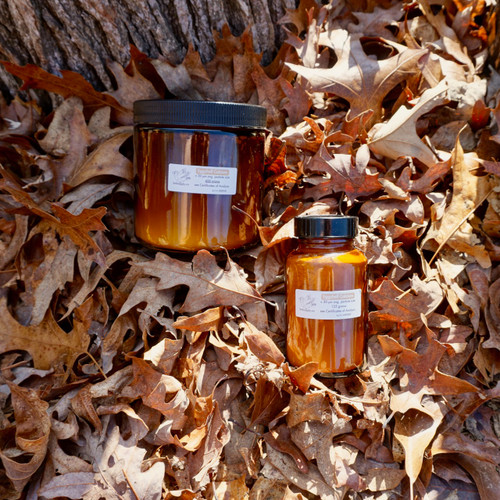
[edit]For those avoiding dairy, pulverized eggshell powder is a calcium source: about 2 tablespoons per day of finely ground eggshell powder incorporated into sauces, seasonings, and flour.[88] Eggshells are roughly 40% calcium by weight, making this a practical, forageable calcium supplement for dairy-free diets. See Egg § Eggshell calcium for the recipe and the absorption/bioavailability research.
References
[edit]- ↑ 1.00 1.01 1.02 1.03 1.04 1.05 1.06 1.07 1.08 1.09 1.10 1.11 1.12 1.13 1.14 1.15 1.16 Ray Peat, "Calcium and Disease: Hypertension, Organ Calcification, and Shock, vs. Respiratory Energy," raypeat.com.
- ↑ Calcium and Disease: Hypertension, organ calcification, & shock, vs. respiratory energy, Ray Peat newsletter
- ↑ Ray Peat, "Milk in context: allergies, ecology, and some myths," raypeat.com.
- ↑ Goyer RA. "Toxic and essential metal interactions," Annu Rev Nutr. 1997;17:37-50. PMID 9240918.
- ↑ Andrews NC. "The iron transporter DMT1," Int J Biochem Cell Biol. 1999;31(10):991-4. PMID 10582331.
- ↑ Rheaume-Bleue, K. (2011). Vitamin K2 and the calcium paradox. John Wiley & Sons.
- ↑ Ray Peat, "From PMS to Menopause: Female Hormones in Context", p. 86(Calcium, magnesium, progesterone, and blood clotting)
- ↑ Zhong Z, Wheeler MD, Li X, et al. "L-Glycine: a novel antiinflammatory, immunomodulatory, and cytoprotective agent," Curr Opin Clin Nutr Metab Care. 2003;6(2):229-240. PMID 12589194.
- ↑ Ray Peat, "Hair Loss, Inflammation, Osteoporosis", Ask the Herb Doctor, KMUD, 2011-07-15, 53:02
- ↑ Ray Peat, "Hair Loss, Inflammation, Osteoporosis", Ask the Herb Doctor, KMUD, 2011-07-15, 54:05
- ↑ Klocke B, Krone K, Tornes J, Moore C, Ott H, Pitychoutis PM. "Insights into the role of intracellular calcium signaling in the neurobiology of neurodevelopmental disorders," Front Neurosci. 2023;17:1093099. PMID 36875674.
- ↑ Calcium and Disease: Hypertension, organ calcification, & shock, vs. respiratory energy, Ray Peat newsletter
- ↑ Ray Peat, "Milk in context: allergies, ecology, and some myths," raypeat.com.
- ↑ 14.0 14.1 Ortolani S, Scotti A, Cherubini R. "Rapid suppression of bone resorption and parathyroid hormone secretion by acute oral administration of calcium in healthy adult men". J Endocrinol Invest. 2003;26(4):353-358. doi:10.1007/BF03345184. PMID 12841544. 18 healthy young men, 1.2 g oral calcium daily for 4 days; on day 4 intact PTH fell from 26.4 to a 2-hour low of 14.9 pg/mL, but the 24-hour PTH area under the curve fell only 15.1%; urinary CTX fell 33.2%, most of the effect within 6 hours of the dose.
- ↑ 15.0 15.1 Charoenphandhu N, Krishnamra N. "Prolactin is an important regulator of intestinal calcium transport," Canadian Journal of Physiology and Pharmacology. 2007;85(6):569-581. doi:10.1139/y07-041. PMID Prolactin is an important regulator of intestinal calcium transport.
- ↑ Röjdmark S, Andersson DE, Sundblad L. "Calcium and calcium-antagonistic effects on prolactin and growth hormone responses to thyrotropin-releasing hormone and L-dopa in man," Journal of Clinical Endocrinology & Metabolism. 1981;53(3):594-598. doi:10.1210/jcem-53-3-594. PMID Calcium and calcium-antagonistic effects on prolactin and growth hormone responses to thyrotropin-releasing hormone and L-dopa in man.
- ↑ Kruse K, Kracht U. "Inhibitory effect of calcium on serum prolactin," Acta Endocrinologica. 1981;98(3):339-344. doi:10.1530/acta.0.0980339. PMID Inhibitory effect of calcium on serum prolactin.
- ↑ Ray Peat, "Ask the Herb Doctor: The Precautionary Principle (Part 2)", KMUD
- ↑ Ray Peat, "Sleep and Aging", Ray Peat's Newsletter
- ↑ Anderson JJB, Kruszka B, Delaney JAC, et al. "Calcium Intake From Diet and Supplements and the Risk of Coronary Artery Calcification and its Progression Among Older Adults: 10-Year Follow-up of the Multi-Ethnic Study of Atherosclerosis (MESA)," J Am Heart Assoc. 2016;5(10):e003815. doi:10.1161/JAHA.116.003815. PMID 27729333.
- ↑ email Q&A: Weight Loss
- ↑ Tremblay A, Gilbert JA. "Human obesity: is insufficient calcium/dairy intake part of the problem?," J Am Coll Nutr. 2011;30(5 Suppl 1):449S-453S. PMID 22081691.
- ↑ Gilbert JA, Joanisse DR, Chaput JP, et al. "Milk supplementation facilitates appetite control in obese women during weight loss: a randomised, single-blind, placebo-controlled trial," Br J Nutr. 2011;105(1):133-143. PMID 21205360.
- ↑ Zemel MB, Thompson W, Milstead A, et al. "Calcium and dairy acceleration of weight and fat loss during energy restriction in obese adults," Obes Res. 2004;12(4):582-590. PMID 15090625.
- ↑ Zemel MB, Shi H, Greer B, et al. "Regulation of adiposity by dietary calcium," FASEB J. 2000;14(9):1132-1138. PMID 10834935.
- ↑ Ray Peat, "Bone Density: First Do No Harm," raypeat.com.
- ↑ Hilpert KF, West SG, Bagshaw DM, et al. "Effects of dairy products on intracellular calcium and blood pressure in adults with essential hypertension," J Am Coll Nutr. 2009;28(2):142-149. PMID 19828899.
- ↑ Ray Peat, "Ask the Herb Doctor: Cellular Repair", KMUD
- ↑ Ray Peat, "Ask the Herb Doctor: Cellular Repair", KMUD
- ↑ Ray Peat, "Ask the Herb Doctor: Hair Loss, Inflammation, Osteoporosis", KMUD, 41:38
- ↑ 31.0 31.1 Ray Peat, "Osteoporosis, aging, tissue renewal, and product science," raypeat.com.
- ↑ Osteoporosis, aging, tissue renewal, and product science, Ray Peat newsletter
- ↑ Osteoporosis, aging, tissue renewal, and product science, Ray Peat newsletter
- ↑ Osteoporosis, aging, tissue renewal, and product science, Ray Peat newsletter
- ↑ Yadav VK, Balaji S, Suresh PS, et al. "Pharmacological inhibition of gut-derived serotonin synthesis is a potential bone anabolic treatment for osteoporosis," Nat Med. 2010;16(3):308-312. PMID 20139991.
- ↑ Feng Q, Song X, Liu L, et al. "Plasma serotonin precursors and metabolite are correlated with bone mineral density and bone turnover markers in patients with postmenopausal osteoporosis," J Orthop Surg (Hong Kong). 2024;32(1). PMID 38613416.
- ↑ Li X, Wu X, Ma Y, et al. "Oral administration of 5-hydroxytryptophan aggravated periodontitis-induced alveolar bone loss in rats," Arch Oral Biol. 2015;60(5):740-747. PMID 25766472.
- ↑ Laporta J, Peters TL, Weaver SR, et al. "Feeding 5-hydroxy-l-tryptophan during the transition from pregnancy to lactation increases calcium mobilization from bone in rats," Domest Anim Endocrinol. 2013;44(4):184-192. PMID 23433710.
- ↑ Weaver SR, Prichard AP, Endres EL, et al. "Elevation of circulating serotonin improves calcium dynamics in the peripartum dairy cow," J Endocrinol. 2016;230(1):125-135. PMID 27390301.
- ↑ Sheu Y, et al. "The risk of fracture among women starting selective serotonin reuptake inhibitors," J Bone Miner Res. 2025. Fully adjusted fracture HR 1.77 versus nonusers. PMID 40757575.
- ↑ Bradaschia-Correa V, et al. "The Selective Serotonin Reuptake Inhibitor Fluoxetine Directly Inhibits Osteoblast Differentiation and Mineralization During Fracture Healing in Mice," J Bone Miner Res. 2017;32(4):821-833. PMID 27869327.
- ↑ Osteoporosis, aging, tissue renewal, and product science
- ↑ Piezo1 Activation Rescues Anabolic Response to Mechanical Loading in Aged Bone via Connexin 43 Hemichannels 19-month-old male mice, axial tibial compression; effect ran through connexin 43 hemichannels, more PGE2 and less sclerostin. doi:10.1111/acel.70687. PMID 42630044.
- ↑ Li P, Wu S, Chen W, Liu M. "Plasma serotonin precursors and metabolites as diagnostic and therapeutic biomarkers for osteoporosis in postmenopausal women," Biomol Biomed. 2025;25(11):2519-2527. doi:10.17305/bb.2025.11513. PMID 40530681. 287 postmenopausal women.
- ↑ Tong TYN, Appleby PN, Armstrong MEG, et al. "Vegetarian and vegan diets and risks of total and site-specific fractures: results from the prospective EPIC-Oxford study," BMC Med. 2020;18(1):353. doi:10.1186/s12916-020-01815-3. PMID 33222682. Hip fracture HR: fish eaters 1.26, vegetarians 1.25, vegans 2.31.
- ↑ Ray Peat, "From PMS to Menopause", p. 14
- ↑ Ray Peat, "Osteoporosis, aging, tissue renewal, and product science," raypeat.com.
- ↑ Ray Peat, "EastWest Healing: Milk, Calcium and Hormones", EastWest Healing
- ↑ Ray Peat, "Bone Density: First Do No Harm," newsletter.
- ↑ Tromp SW. Medical Biometeorology. Elsevier, 1963; Sargent F II, Tromp SW. "Cold stress causes," A Survey of Human Biometeorology. WMO, 1964, p. 57.
- ↑ Ray Peat, "Calcium and disease," raypeat.com.
- ↑ Lotito A, Teramoto M, Cheung M, Becker K, Sukumar D. "Serum Parathyroid Hormone Responses to Vitamin D Supplementation in Overweight/Obese Adults: A Systematic Review and Meta-Analysis of Randomized Clinical Trials,"Nutrients. 2017;9(3):241. doi:10.3390/nu9030241.
- ↑ 53.0 53.1 53.2 53.3 53.4 Ray Peat, "Calcium and Disease: Resistance, Rigidity, Modernity," raypeat.com.
- ↑ Calcium and Disease: Resistance, Rigidity, Modernity
- ↑ Calcium and Disease: Resistance, Rigidity, Modernity
- ↑ Baczynski R, Massry SG, Kohan R, Magott M, Saglikes Y, Brautbar N. "Effect of parathyroid hormone on myocardial energy metabolism in the rat," Kidney Int. 1985;27(5):718-725. doi:10.1038/ki.1985.71. PMID 3160882.
- ↑ 57.0 57.1 57.2 Ray Peat, "Phosphate, Activation, and Aging," raypeat.com.
- ↑ Phosphate, Activation, and Aging
- ↑ Osteoporosis, aging, tissue renewal, and product science
- ↑ Parathyroid Hormone (PTH), Ray Peat email exchange
- ↑ Ray Peat, "Adaptogenic Milk," newsletter.
- ↑ Ray Peat, "Ask the Herb Doctor: Water Retention and Salt", KMUD, 58:14
- ↑ Ray Peat, "Generative Energy — LSD, Serotonin, and Hallucinations", Generative Energy podcast, 1:40:57
- ↑ Fung MHM, et al. "Parathyroidectomy Reduced the Risk of Incident Major Adverse Cardiovascular Events Among Patients With Primary Hyperparathyroidism," Ann Surg. 2026. doi:10.1097/SLA.0000000000007169.
- ↑ Phosphate, activation, and aging, raypeat.com
- ↑ "Phosphate, activation, and aging.," Ray Peat article
- ↑ "Phosphate, activation, and aging.," Ray Peat article
- ↑ Phosphate, activation, and aging, raypeat.com
- ↑ "Phosphate, activation, and aging.," Ray Peat article
- ↑ "Phosphate, activation, and aging.," Ray Peat article
- ↑ Phosphate, activation, and aging, raypeat.com
- ↑ Krapf R, Jaeger P, Hulter HN. "Chronic respiratory alkalosis induces renal PTH-resistance, hyperphosphatemia and hypocalcemia in humans," Kidney Int. 1992. PMID 1405350.
- ↑ Phosphate, activation, and aging, raypeat.com
- ↑ 74.0 74.1 Cheng SC, Young DO, Huang Y, Delmez JA, Coyne DW. "A randomized, double-blind, placebo-controlled trial of niacinamide for reduction of phosphorus in hemodialysis patients," Clin J Am Soc Nephrol. 2008. PMID 18385391.
- ↑ "Phosphate, activation, and aging.," Ray Peat article
- ↑ "Calcium and Disease: Hypertension, organ calcification, & shock, vs. respiratory energy," Ray Peat article
- ↑ Ray Peat, "Top Contrarian on Health," One Radio Network interview, 2019-12-17.
- ↑ Ray Peat, "Milk, Calcium and Hormones," EastWest Healing interview, 2011-06-03.
- ↑ Ray Peat, Adaptogenic Milk, newsletter.
- ↑ "Phosphate, activation, and aging.," Ray Peat article
- ↑ "Phosphate, activation, and aging.," Ray Peat article
- ↑ "Phosphate, activation, and aging.," Ray Peat article
- ↑ "Phosphate, activation, and aging.," Ray Peat article
- ↑ "Phosphate, activation, and aging.," Ray Peat article
- ↑ "Phosphate, activation, and aging.," Ray Peat article
- ↑ "Phosphate, activation, and aging.," Ray Peat article
- ↑ "Phosphate, activation, and aging.," Ray Peat article
- ↑ Ray Peat HubblyBubbly Emporium (@RayPeatHeadShop), "Eggshell powder as calcium source," X/Twitter, 2026.