Progesterone
| Progesterone | |
|---|---|
 Progesterone molecular structure | |
| Abbreviation | P4 |
| Molecular formula | C₂₁H₃₀O₂ |
| Type | Steroid hormone (progestogen) |
| Administration | Oral (dissolved in vitamin E/tocopherol), topical, sublingual, suppository, injection |
| Bioavailability | Oral in tocopherol: ~100% (lymphatic absorption); Oral micronized powder: ~10% (highly variable); Suppositories: ~1-6%; Topical: variable, poorly characterized |
| Synonyms | P4, corpus luteum hormone, luteohormone, progestin (generic class) |
| Source | Endogenous: ovaries, adrenals, brain, placenta;
Exogenous: synthesized from wild yam (Dioscorea), soybeans, or fenugreek precursors |
| Ray's verdict | Generally helps "The most protective hormone the body produces" |
Progesterone is a key protective steroid hormone: essential for stress resistance, metabolic balance, and countering estrogen's potentially harmful effects, it supports cellular energy production and protects tissues, especially the brain. Produced primarily by the ovaries in women (and adrenals/brain in both sexes), it acts as a precursor to other hormones like cortisol, aldosterone, and testosterone, while opposing excess estrogen to prevent issues like osteoporosis, cancer susceptibility, and aging.[1] It is the "basic hormone of adaptation," with wide-ranging physiological functions including brain protection, improved respiration, bone growth, and anxiety relief.[2] One account (not a formal citation) puts the figure at "over 500" distinct functions and describes synthetic progestins, unlike natural progesterone, as blocking luteinizing hormone (LH) and carrying unnatural side effects.[3]
Progesterone is the main female hormone.
History
Etymology
German Progesteron, coined 1930 from pro + Latin gestare, literally "to carry about," on the notion of a "substance which favors gestation."
Four research groups isolated progesterone independently in 1934: Willard Allen and colleagues in the US, Adolf Butenandt in Germany, Karl Slotta's group, and a Swiss team led by George Anner and Tadeusz Reichstein. The 1930 name proposal predates the isolation because researchers had already identified the biological activity in corpus luteum extracts before pinning down the pure compound.
Structure/Chemical properties
Progesterone is pregn-4-ene-3,20-dione, C₂₁H₃₀O₂, molecular weight about 314.5 g/mol. It is a pregnane-class steroid: four fused carbon rings, ketone groups at C3 and C20, a double bond between C4 and C5.
All of the steroid functions, except those of estrogen and testosterone, are included, though weakly, in the progesterone molecule itself.
Thyroid hormone and vitamin A drive the mitochondrial conversion of cholesterol to pregnenolone, the direct precursor of progesterone.[5] Progesterone is itself the precursor for cortisol, aldosterone, and the other steroid hormones further down the synthesis chain, including estrogen: progesterone converts through 17α-hydroxyprogesterone and androstenedione/testosterone to estradiol via aromatase. This chain of enzyme reactions runs one direction only; no pathway converts estradiol back into progesterone.[6]
Commercial progesterone is made from diosgenin, a steroid-like compound found in the Mexican yam and fenugreek.
The chemistry for converting crude diosgenin into pregnenolone, and for converting pregnenolone into progesterone, is very simple, and can be done with little capital, at the site of production of the raw material.
Progesterone is highly lipophilic and poorly water-soluble, more fat-soluble than cortisol. Oral progesterone is typically dissolved in oil or a fat carrier (e.g. vitamin E) for this reason rather than taken as a plain aqueous solution. It is produced mainly by the corpus luteum in the ovaries, by the placenta during pregnancy, and in smaller amounts by the adrenal cortex.
Natural vs. synthetic progesterone
Peat distinguished natural progesterone from synthetic progestins approved under that name: the synthetics block gestation and carry warnings that the FDA also applies to bioidentical progesterone.[8]
Progesterone has existed in animals since animals began. These other substances, in the case of this recent synthetic progestin, it has existed in the universe only for 10 years... We pretty well know that natural progesterone is safe because it has been doing its thing in organisms forever.
Natural progesterone, derived from plant sources like wild yams and dissolved in vitamin E for efficient absorption, mimics the body's own hormone and is rapidly metabolized.[1] It enters the bloodstream quickly upon oral contact (e.g., sublingually) and supports anti-stress effects and glandular restoration.[1]
Synthetic progestins (e.g., in birth control pills) bind to progesterone receptors but have an unnaturally long half-life, and one account describes them as blocking natural LH and progesterone production, offering limited function often unrelated to true progesterone, such as thinning the uterine lining, with health risks like cervical thickening and cancer (not a formal citation).[10] Bioidentical natural forms are advocated over synthetic derivatives for safety and efficacy.[2]
Progesterone and magnesium
Progesterone's actions parallel magnesium's and oppose calcium and estrogen. Thyroid promotes magnesium uptake, and progesterone supports thyroid function while blocking stress-induced magnesium loss. Estrogen and calcium promote blood clotting; magnesium and progesterone restrain it.[11]
Calcium opposes the anesthetic effect of magnesium, and is always involved in toxic or excitotoxic cell death. Estrogen even in physiological amounts is nerve-exciting, and eventually contributes to the excitotoxic death of brain cells.
Function/Mechanism of Action
Classic endotoxin-shock experiments in cats found progesterone dramatically improved survival, with evidence that progesterone may bind and neutralize LPS directly in addition to its hormonal anti-inflammatory effects.[13] Its main effect is to cause cell differentiation and maturation while also inhibiting proliferation caused by estrogen.[14] Its effects are systemically opposite to estrogen, balancing excitation and relaxation in the body.
Progesterone's quieting effect on cells extends to preventing seizure activity in brain cells; during childbirth it normally acts as an anesthetic, an effect blocked when estrogen is too high.[15]
Medical uses/Effects
Natural progesterone at luteal-phase plasma concentrations lowered blood pressure in postmenopausal women, whereas synthetic progestins lack this peripheral vasodilatory profile.[16] Computational drug screening identified bioidentical progesterone among top repurposing candidates for autism-spectrum disorder, alongside loperamide, bromocriptine, and drospirenone.[17] Prospective ultrasound follow-up linked higher vitamin D status to slower uterine fibroid growth and greater fibroid regression, a hormone-responsive condition often treated with progestogenic therapy.[18]
Perimenopausal night sweats
Oral micronized progesterone 300 mg nightly improved perceived night-sweat intensity and sleep quality in perimenopausal women in a randomized placebo-controlled trial.[19]
Pregnancy levels
A single early-pregnancy progesterone measurement below 10 ng/mL predicted a non-viable pregnancy with high specificity in women presenting with bleeding or pain, across a meta-analysis of 26 cohort studies (9,436 women).[20] Endogenous progesterone is not dangerous at the levels pregnancy itself produces: levels rise to roughly 100 times the luteal-phase peak by late pregnancy (from ~30 ng/mL up to 300 ng/mL), which bears on safety questions about supplemental dosing.
Breast cancer
Genome-wide studies show progesterone receptor remodels estrogen-receptor chromatin binding in breast cancer, frequently switching ER target genes from proliferation-promoting to growth-restraining programs and improving clinical outcomes when PR is high.[21]
Perimenopause and Alzheimer's disease
Experimentally elevated estradiol-to-progesterone ratios during perimenopause suppress cerebral OXPHOS and ATP, produce hippocampal pathology and cognitive deficits, and progesterone supplementation restores mitochondrial respiration and reverses amyloid/tau markers in 3xTg mice.[22]
=
Not only a pregnancy hormone
Progesterone is not only a pregnancy hormone. Using it only "to protect the uterus" is like telling a man he does not need testosterone if he does not plan to father children, except progesterone has broader physiological significance than testosterone.[23]
Benefits =
Endothelial TLR4 in the uterine decidua initiated the inflammatory cascade linking LPS exposure to preterm birth in mice, identifying vascular endothelium, not only immune cells, as a therapeutic entry point for pregnancy protection.[24] Women with psoriasis have lower serum progesterone than matched controls, suggesting relative estrogen dominance when progesterone falls.[25]
Oral route and physical endurance
In pregnant rats, oral progesterone (urogestan in carboxymethylcellulose) raised offspring swimming endurance and plasma pregnenolone versus vaginal gel or intramuscular routes at clinically scaled doses.[26]
Oviductal immunoregulation
Progesterone markedly prolonged survival in endotoxin-shocked cats, with prior incubation of progesterone and endotoxin suggesting direct inactivation of LPS independent of classical steroid receptor pathways.[13] Oviductal epithelial progesterone-receptor signaling restrains IL-22–driven inflammation needed for preimplantation embryo survival; loss of epithelial PGR raises pro-inflammatory cytokines and impairs blastocyst development.[27]
Adipose tissue intracrine metabolism
Membrane progesterone receptor component PGRMC2 in adipose tissue is required for heme-dependent mitochondrial heat production; knockout mice on high-fat diet became glucose-intolerant and insulin-resistant, and PGRMC2 agonism improved obese-diabetic phenotypes.[28] Postmenopausal hormone therapy raises estrone and estradiol 4- to 7-fold in visceral and subcutaneous adipose tissue while lowering visceral testosterone and shifting local estrogen-to-androgen ratios 4- to 12-fold.[29]
Gut enteric neurons and Parkinson disease
Physiological progesterone co-treatment reduced rotenone-induced death of human enteric nervous system neurons by roughly half, supporting steroid protection of gut neural elements implicated in Parkinson pathogenesis.[30]
Chronic stress and depression
In male rats, chronic unpredictable mild stress produces anhedonia and despair behaviors reversed by progesterone through NLRP3 inflammasome suppression and reduced IL-1β/TNF-α in prefrontal cortex and hippocampus.[31]
Progesterone versus MPA and 5α-reductase (mice)
In estrogen-primed ovariectomized mice, progesterone increased open-field exploration, elevated-plus-maze anti-anxiety behavior, and social interaction in wildtype animals and raised prefrontal cortex and hippocampal allopregnanolone. Medroxyprogesterone acetate (MPA) at the same dose did not produce those behavioral effects. Mice lacking 5α-reductase type 1 did not show the progesterone behavioral response, while direct allopregnanolone restored exploration, anti-anxiety, and social behavior in both genotypes. The pattern fits conversion of progesterone → allopregnanolone via 5α-reductase, a path MPA does not support.[32]
Early-life stress and progesterone resistance
Experiencing early life stress reduces the effectiveness of progesterone and its metabolites in the brain.[33][34] Rodent maternal-separation models show reduced 5α-reductase in the hippocampus following early-life stress, shifting the progesterone-to-allopregnanolone ratio and blunting the brain's ability to convert progesterone into its calming, DHT-adjacent 5α-reduced metabolites; this offers a mechanism by which developmental stress could produce a lasting deficit in progesterone/allopregnanolone signaling rather than a simple hormone-level deficiency.[34]
Postpartum depression
Estrogen and progesterone both fall sharply after delivery, and progesterone's metabolite allopregnanolone falls with it; the first FDA-approved postpartum-depression drug is synthetic allopregnanolone itself, given by 60-hour IV infusion. Peat pointed out that a small oral dose of progesterone raises the body's own allopregnanolone by the same mechanism, at a fraction of the cost and without hospitalization.[35]
Someone tested that and found that just a tiny dose of oral progesterone—20 milligrams—tripled the amount of allopregnanolone in the body.
Cholesterol is the precursor to progesterone and the other neurosteroids, and shares progesterone's stabilizing effects. Cholesterol, like progesterone, is normally higher during the postpartum months, and lower postpartum cholesterol has been linked to anxiety and depression in several studies.[37]
With insufficient cholesterol, the normally high postpartum concentration of progesterone isn't likely to be maintained, and instead of brain restoration, the various pro-inflammatory effects of serotonin and estrogen will predominate, with effects such as depression, joint pain, anxiety, and brain edema.
Smoking cessation
In women using nicotine patches, a rising progesterone phase during the menstrual cycle increased odds of smoking abstinence by ~37% compared with stable or falling progesterone; naturally increasing (not merely high) progesterone correlated with fewer cigarettes smoked per day even without a quit attempt.[39]
GERD
- Progesterone-only postmenopausal hormone therapy was not associated with increased GERD, Barrett's esophagus, or esophageal stricture risk in a large cohort study, unlike estrogen-only therapy.[40]
Synthetic textiles and electrostatic disruption
Dogs fitted with polyester-containing underpants for 12 months developed measurable electrostatic skin potentials; 8 of these dogs showed diminished estrous-phase progesterone and failed to conceive by mating or insemination, while cotton, wool, and polyester-cotton-blend groups conceived normally. Five months after removal, progesterone normalized and the dogs conceived.[41]
General protective effects
Progesterone is regenerative and anti-estrogenic:
- Reduces cortisol production, prevents osteoporosis, skin aging, brain damage, and abdominal fat.
- Protects against epileptic seizures, improves memory and respiration (e.g., for emphysema), and enhances heart efficiency.[42]
- Promotes bone growth, relieves arthritic symptoms, and supports immunity via the thymus gland.[2]
- Opposes estrogen's carcinogenicity, and is used to treat some cancers and alleviate menopausal symptoms like hot flashes without needing estrogen.
- In men, it complements testosterone, improves sexual function in deficiencies and provides broader protective effects than testosterone alone.[43][44]
- High brain concentrations make it neuroprotective, and adequate levels (via diet and thyroid support) reduce the need for supplementation.[2]
| Hormone | Effect on Cells | Nitric Oxide | Water State in Cells | Systemic Action |
|---|---|---|---|---|
| Progesterone | Calms, protects, orders water | Lowers | Stabilizes ordered water | Anti-stress, protective |
| Estrogen | Excites, activates cells | Increases | Releases water from proteins | Stimulating, excitatory |
Prenatal progesterone and intelligence
Progesterone increases intelligence of children when given to pregnant mothers. Katharina Dalton, treating women for PMS with injectable progesterone, found the same patients tended toward "toxemia" of pregnancy; a single progesterone injection could eliminate the signs of toxemia for the rest of the pregnancy, and Dalton's patients who received progesterone throughout pregnancy had unusually healthy, bright babies, against an average IQ of only 85 for babies born after a toxemic pregnancy.[45][46] Following these children to age 17-20, Dalton found 11 of 34 progesterone children entered university (32%) against 2 of 37 normal controls (5%), roughly six times the rate; the progesterone group also averaged more O-level exam passes per child (5.7 vs 5.4) and more A-level passes per child (1.3 vs 0.9).[46] Marian Diamond's rat studies showed the mechanism runs both ways: increased estrogen exposure during pregnancy reduced cerebral cortex size and learning ability, while progesterone increased brain size and intelligence.
Katherina Dalton, who continued to give her patients progesterone throughout pregnancy, later learned that the babies treated in this way were remarkably healthy and bright, while the average baby delivered after a "toxemic" pregnancy has an IQ of only 85.
Ocular administration and retinal degeneration
Topical ocular progesterone decreased photoreceptor cell death in a mouse model of retinitis pigmentosa (retinal degeneration slow, rds), demonstrating a direct neuroprotective effect on retinal tissue when progesterone is delivered locally to the eye rather than systemically.[48]
Caution with novel progesterone-pathway analogs
Pregnenolone, DHEA, and Progesterone are basic stabilizing molecules, and I think it's dangerous to use novel substances that are likely to interact with those, in the absence of large amounts of preliminary experimentation with animals and in vitro. The farther a substance is from its precursor material, the easier it is to cause unwanted effects when supplementing it.
Dosing
Natural production
Endogenous progesterone production requires three things working together: adequate blood cholesterol as raw material, sufficient active thyroid hormone (T3) to drive the conversion, and vitamin A, which is consumed at a high rate during synthesis and acts as a rate-limiting factor.
Thyroid hormone and vitamin A travel on the same transport protein in the blood. This protein complex, along with cholesterol, is taken up by steroidogenic cells (ovaries, adrenals, brain) and used in the conversion of cholesterol to pregnenolone and progesterone.
Supporting factors include: adequate glucose and selenium for the liver to convert T4 to T3, sufficient protein for liver function and estrogen clearance, and avoiding excessive goitrogens which can suppress thyroid output.
Finally, reducing interference matters: high estrogen burden, chronic stress, and circulating PUFA all oppose progesterone synthesis or action. A daily raw carrot salad is a simple starting point for lowering estrogen recirculation.
Dosing guidelines
Dosing varies by sex, age, and symptoms; start low (e.g., 10 mg) and adjust based on response. Use bioidentical progesterone in vitamin E (e.g., Progest-E, ~3 mg/drop), combined with a moderate-protein diet (70-100 g/day), vitamin A, and thyroid support to minimize possible deficiencies.[2] High estrogen levels can block progesterone’s effectiveness, requiring liver and thyroid support to restore balance. Consult a practitioner for more personally catered advice.
Women
- Reproductive Age (with PMS or imbalance): 10-15 mg/day (3-4 drops) during the 14-28 days of the cycle.
- Perimenopausal: 10-12 mg/day (3-4 drops), cycled two weeks on/off to sustain the natural rhythm of the monthly cycles.
- Postmenopausal: 10 mg/day (2-3 drops, repeatable); slender women may need less.
- Luteal phase deficiency (still cycling, producing estrogen, symptoms recurring despite lower doses): 50–200 mg/day during the luteal phase, taken orally in tocopherol.[50]
General: Repeat doses as needed for symptom relief; normal production is 10-20 mg/day (up to 30 mg in luteal phase).[2] In Peat's own postmenopausal case data, a single 50–100 mg oral dose in tocopherol raised serum progesterone to 6–16 ng/mL within 4–8 hours, within the normal luteal range.[50]
Supplementation during the menstrual cycle
Supplement progesterone primarily in the luteal phase (post-ovulation, days 14-28) to mimic natural production and alleviate PMS, cramps, or estrogen dominance.[2] Peat administered it "during the luteal phase of their cycle" in his own oral-absorption case series.[50] Cyclic use (two weeks on/off) maintains normal cycles in perimenopause.[2] Avoid continuous use to prevent cycle suppression; a drop in levels triggers menstruation.
The chart below illustrates typical progesterone and estradiol fluctuation over a 28-day cycle: both low through the follicular phase, estradiol peaking just before ovulation (day 12-13) then dropping, progesterone rising sharply after ovulation (day 14) and peaking mid-luteal phase (day 21-22, the window supplementation is timed to mimic), both falling by day 28 if no pregnancy occurs.
Note: Values are approximate averages (estradiol converted from pg/mL to ng/mL to share one axis with progesterone); individual levels vary. Test via blood/saliva for precision.
Men
Men produce ~0.1-1.2 ng/ml naturally; supplement for estrogen excess or stress.[51] Without a uterus as a target tissue, progesterone in men is largely routed by 5-alpha-reductase into 5α-dihydroprogesterone and then allopregnanolone, the same enzyme that converts testosterone into DHT.[52]
Low doses (e.g., 5-10 mg/day) improve sexual function and produce anti-stress effects without feminization.[53]
Ray confirms progesterone can be used in men.[54]
Start with 1-2 drops (3-6 mg) daily, and can increased to 10 mg as long as androgen suppression doesn't occur. If the latter does occur, stopping the supplementation will reverse the symptoms within a few days.
Side/Adverse effects
Intracranial meningioma risk
A French case-control study of 18,061 meningioma surgeries found no excess risk with bioidentical progesterone, whereas prolonged medroxyprogesterone acetate, medrogestone, and promegestone raised meningioma odds.[55]
Hormonal contraception and stress
Women on combined hormonal birth control failed to show the normal post-stress ACTH decline after brief social contact seen in non-users, implicating suppressed endogenous progesterone in blunted stress recovery.[56]
Warnings
- High doses (> several grams) may cause euphoria or anesthesia; titrate slowly (10 mg increments, wait 10 min).
- May temporarily increase thyroid activity by releasing the stored colloid, a pocket of thyroid hormones inhibited by estrogen; address to reduce the goiter or colloid size with a thyroid supplement first.
- In estrogen dominance, correct the imbalance via diet/pregnenolone/thyroid first before supplementing since the liver's inability to quickly excrete the tissue-bound estrogen may result in high estrogen symptoms.[2]
- Not indefinite unless ovaries removed; monitor for "estrogen kickback" symptoms and adjust.[57]
In males overdose might cause temporary androgen suppression (even ED)

Thyroid and testosterone
If testosterone-suppressing effects show up at doses of progesterone that shouldn't be enough to cause them, check thyroid function first. Low thyroid predisposes toward low testosterone generally, and primary hypothyroidism is associated with hypogonadotropic hypogonadism that is reversible with thyroid hormone replacement.[58] See Thyroid, Hypothyroidism, Testosterone, Broda Barnes.
Formulations and products
Supplemental progesterone is not the same molecule in every product. Ray Peat separated three things: bioidentical progesterone (what the body makes), synthetic progestins (contraceptive and HRT drugs that bind the same receptor but behave differently), and low-milligram cosmetic progesterone creams sold for skin. The oral doses discussed for estrogen dominance or stress are a separate category.
For oral use, Peat emphasized micronized progesterone dissolved in vitamin E (tocopherol), not generic vegetable oil. The carrier changes how fast progesterone enters the blood, and it changes whether the "first pass" liver-inactivation dogma of conventional pharmacology even applies: progesterone dissolved in vitamin E is absorbed via the intestinal lymphatics into chylomicrons, small fat droplets that are not destroyed on a single pass through the liver.
People often speak of "avoiding the liver on the first pass," but in fact chylomicrons pass through the liver many times before they are destroyed; after an hour, 10% of the chylomicrons are still circulating. If progesterone is taken orally in oil in a truly solvated state, in a monomolecular dispersion, it will enter the blood via the protected chylomicron route.
Plain oil (olive, safflower) does not reliably hold progesterone in a true solution; the steroid tends to crystallize out over time, and crystallized progesterone behaves like the crystalline powder in ordinary capsules, cleared almost completely by the liver on first pass. Vitamin E keeps it in stable solution.[60]
progesterone was found to be the basic hormone of adaptation and of resistance to stress. The adrenal glands use it to produce their anti-stress hormones, and when there is enough progesterone, they don't have to produce the potentially harmful cortisone.
If progesterone is taken dissolved in vitamin E, it is absorbed very efficiently, and distributed quickly to all of the tissues.
When dissolved in vitamin E, progesterone begins entering the blood stream almost as soon as it contacts any membrane, such as the lips, tongue, gums, or palate, but when it is swallowed, it continues to be absorbed as part of the digestive process.
Progest-E
Progest-E (Kenogen) is the commercial product built on this formulation: progesterone in vitamin E, about 3 mg per drop. Dosing on this page assumes that product unless noted otherwise. Kenogen can also be ordered directly by emailing [email protected].
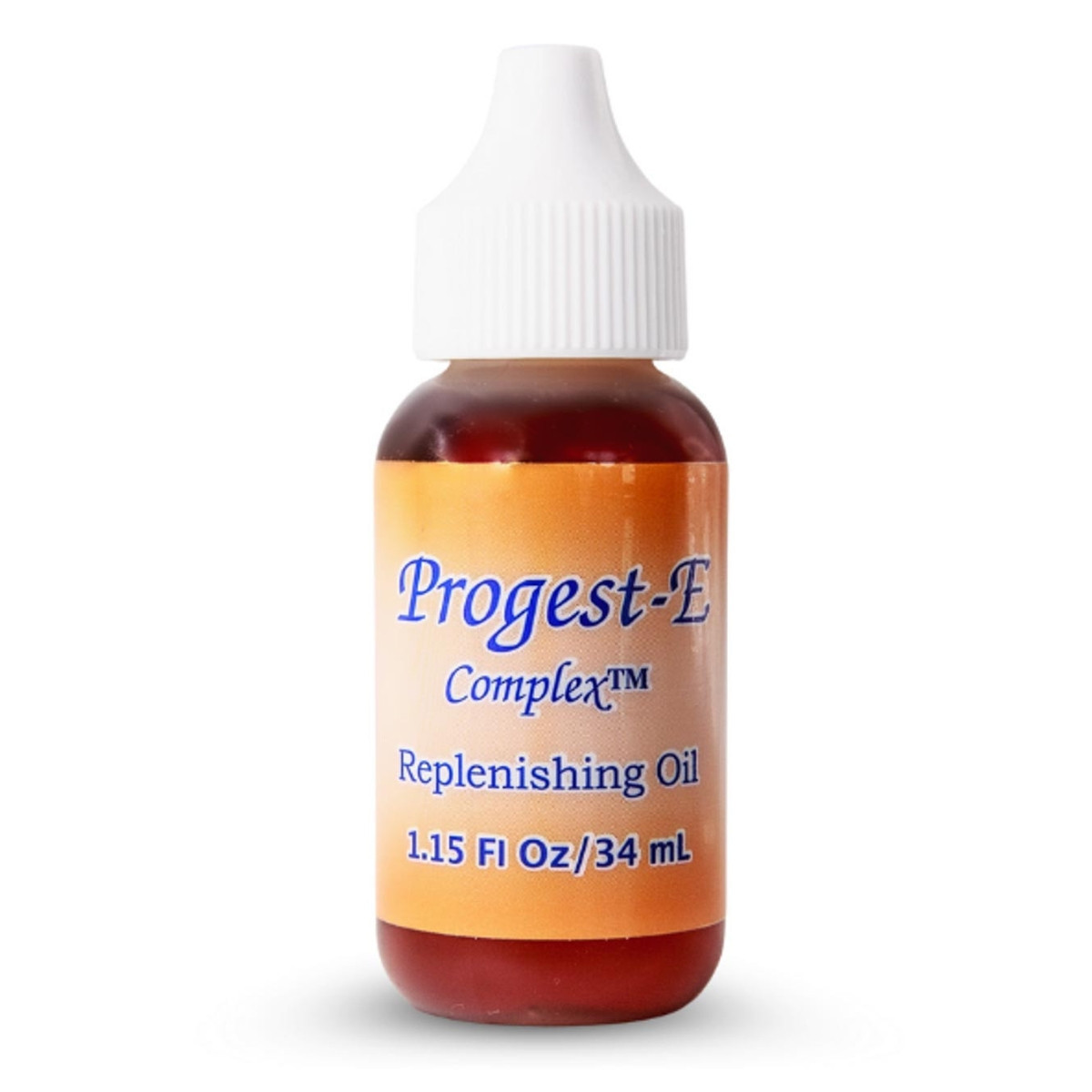
Topical progesterone in other carrier oils is a different delivery route; absorption and milligram counts are not interchangeable with oral Progest-E.
Women whose ovaries are removed or no longer function need consistent replacement.[1] See dosing and warnings above for cycle timing and overtreatment (drowsiness, cycle changes). Harm reduction, Roadmap/04 - Substances.
References
- ↑ 1.0 1.1 1.2 1.3 Ray Peat, "Cortisone, Aging, and Longevity: Three Hormones," raypeat.com.
- ↑ 2.0 2.1 2.2 2.3 2.4 2.5 2.6 2.7 2.8 Ray Peat, "Progesterone Summaries," raypeat.com.
- ↑ @RayPeatHeadShop, X post.
- ↑ Ray Peat, "Progesterone in Orthomolecular Medicine", p. 2
- ↑ Ray Peat, "Progesterone in Orthomolecular Medicine", p. 20
- ↑ "Steroid Hormone Synthesis Pathways,", StatPearls, NCBI Bookshelf.
- ↑ Ray Peat, "Progesterone in Orthomolecular Medicine", p. 56
- ↑ Ray Peat, "Ask the Herb Doctor: Language and Criticism, Estrogen (Part 1)", KMUD, 35:57
- ↑ Ask the Herb Doctor: The Precautionary Principle, Ray Peat, KMUD 2017-01-20
- ↑ @RayPeatHeadShop, X post.
- ↑ Ray Peat, "Progesterone in Orthomolecular Medicine", p. 13
- ↑ Ray Peat, "Progesterone in Orthomolecular Medicine", p. 14
- ↑ 13.0 13.1 Silk MR. "The effect of progesterone on cats administered endotoxin," J Surg Res. 1967. PMID 4959441.
- ↑ Ray Peat, "Progesterone in Orthomolecular Medicine", p. 30(1993)
- ↑ Ray Peat, "Progesterone in Orthomolecular Medicine", p. 18
- ↑ Heron J, et al. "Natural progesterone and blood pressure," Br J Obstet Gynaecol. 1985. PMID 3917316.
- ↑ Koch BP, et al. "Drug repurposing for autism spectrum disorder," Front Pharmacol. 2022. doi:10.3389/fphar.2022.995439.
- ↑ Harmon QE, et al. "Vitamin D and uterine fibroid outcomes," Fertil Steril. 2022. doi:10.1016/j.fertnstert.2022.08.851.
- ↑ Prior JC, et al. "Progesterone for perimenopausal night sweats," Sci Rep. 2023. doi:10.1038/s41598-023-35826-w.
- ↑ Verhaegen J, et al. "Accuracy of single progesterone test to predict early pregnancy outcome in women with pain or bleeding: meta-analysis of cohort studies," BMJ. 2012;345:e6077.
- ↑ Mohammed H, Carroll JS, et al. "Progesterone receptor modulates ERα action in breast cancer," Nature. 2015. doi:10.1038/nature14583.
- ↑ Sun Y, Peng Y, Hart RP, et al. "Estradiol-progesterone ratio and Alzheimer's pathology," Nat Commun. 2025. doi:10.1038/s41467-025-66726-4.
- ↑ Ray Peat, "From PMS to Menopause", p. 95
- ↑ Deng W, et al. "Endothelial TLR4 and preterm birth," Cell Rep. 2019. PMID 31067461.
- ↑ Lipner SR, et al. "Sex hormones in psoriasis," J Am Acad Dermatol. 2025. doi:10.1016/j.jaad.2025.03029.
- ↑ Oral progesterone and offspring exercise endurance, Med Nexus. 2025. doi:10.1097/RD9.101.
- ↑ McGlade JC, et al. "Progesterone immunoregulation in the oviduct," Sci Adv. 2025. doi:10.1126/sciadv.adt6113.
- ↑ Galmozzi A, et al. "PGRMC2 in adipose tissue and metabolic disease," Nature. 2019. doi:10.1038/s41586-019-1774-2.
- ↑ Hetemaki H, et al. "Adipose tissue sex steroids on menopausal HT," J Clin Endocrinol Metab. 2025. doi:10.1210/clinem/dgae458. PMID 38986008.
- ↑ Neufeld P, et al. "Progesterone protects enteric neurons from rotenone," Cells. 2023. doi:10.3390/cells12081206.
- ↑ Progesterone reverses CUMS depression via NLRP3, Behav Brain Res. 2025. doi:10.1016/j.bbr.2025.115879.
- ↑ Koonce CJ, Frye CA. "Progesterone facilitates exploration, affective and social behaviors among wildtype, but not 5α-reductase Type 1 mutant, mice," Behav Brain Res. 2013;253:232-239. doi:10.1016/j.bbr.2013.07.025. PMID 23886595.
- ↑ Nouri A, Hashemzadeh F, Soltani A, Saghaei E, Amini-Khoei H. "Progesterone exerts antidepressant-like effect in a mouse model of maternal separation stress through mitigation of neuroinflammatory response and oxidative stress," Pharm Biol. 2019;58(1):64-71. doi:10.1080/13880209.2019.1702704. PMID 31873049.
- ↑ 34.0 34.1 Brunton PJ. "Programming the brain and behaviour by early-life stress: a focus on neuroactive steroids," J Neuroendocrinol. 2015;27(6):468-480. doi:10.1111/jne.12265. PMID 25688636.
- ↑ Ray Peat, "Ask the Herb Doctor: Postpartum Depression", KMUD, 16:36
- ↑ Ray Peat, "Ask the Herb Doctor: Postpartum Depression", KMUD, 16:36
- ↑ Ray Peat, "Postpartum Depression, Brain, Aging, and Reductionism," Ray Peat Newsletter, May 2019. PDF
- ↑ "Postpartum Depression, Brain, Aging, and Reductionism", Ray Peat Newsletter, May 2019
- ↑ Baker NL, Saladin ME. "Progesterone and smoking cessation in women," Exp Clin Psychopharmacol. 2022. PMID 35533342.
- ↑ Saleh S, et al. "Effect of hormonal replacement therapy on gastroesophageal reflux disease and its complications," Clin Gastroenterol Hepatol. 2023;21(2):510-512.e1. PMID 35151861.
- ↑ Shafik A. "An experimental study on the effect of different types of textiles on conception," J Obstet Gynaecol. 2008;28(2):215-8. doi:10.1080/01443610801912535. PMID 18393023.
- ↑ Ray Peat, "Cortisone, Aging, and Longevity: Three Hormones," raypeat.com.
- ↑ Ray Peat, "Cortisone, Aging, and Longevity: Three Hormones," raypeat.com.
- ↑ Ray Peat, "Progesterone in Orthomolecular Medicine", p. 3(1993)
- ↑ Dalton K. "Ante-natal progesterone and intelligence," Br J Psychiatry. 1968;114(516):1377-1382. PMID 5702278.
- ↑ 46.0 46.1 Dalton K. "Prenatal progesterone and educational attainments," Br J Psychiatry. 1976;129:438-442.
- ↑ Eclampsia in the Real Organism, Ray Peat newsletter, 1997
- ↑ Alambiaga-Caravaca N, Cantó A, Rodilla V, et al. "Topical ocular administration of progesterone decreases photoreceptor cell death in retinal degeneration slow (rds) mice," Pharmaceuticals (Basel). 2022. doi:10.3390/ph15030328.
- ↑ 5-Alpha Dihydroprogesterone (5a-DHP), Ray Peat email exchange
- ↑ 50.0 50.1 50.2 Ray Peat, "Oral Absorption of Progesterone," JAMA 78(3), 1986.
- ↑ "Progesterone Is Where It's At", Spud Inc. (secondary source, not a primary source).
- ↑ Pisu MG, et al. "Allopregnanolone: an overview on its synthesis and effects," J Neuroendocrinol. 2024. PMID 34189791.
- ↑ Ray Peat, "Progesterone in Orthomolecular Medicine", p. 3(1993)
- ↑ "Ray Peat on Progesterone", raypeatexplained.com (secondary compilation, not a primary source).
- ↑ Roland M, et al. "Progestogens and intracranial meningioma risk," BMJ. 2024. doi:10.1136/bmj-2023-078078. PMID 38537944.
- ↑ Winterdahl M, et al. "Birth control and stress hormone recovery," Behav Brain Res. 2023. doi:10.1016/j.bbr.2023.114550.
- ↑ "Can You Use Too Much Progesterone?", WorldHealth.net (secondary source, not a primary source).
- ↑ Donnelly P, White C. "Testicular dysfunction in men with primary hypothyroidism; reversal of hypogonadotrophic hypogonadism with replacement thyroxine," Clin Endocrinol (Oxf). 2000;52(2):197-201. PMID 10671947.
- ↑ Ray Peat, "Generative Energy", p. 52
- ↑ Ray Peat, "Progesterone in Orthomolecular Medicine", p. 2(1993)
- ↑ Cortisone, Aging, and Longevity: Three Hormones, Ray Peat newsletter
- ↑ Cortisone, Aging, and Longevity: Three Hormones, Ray Peat newsletter
- ↑ Cortisone, Aging, and Longevity: Three Hormones, Ray Peat newsletter