Roadmap/09 - Buy list & Life quality improvers
Practical purchases and one-time upgrades, organized by what problem each one addresses. Nothing here is required; treat it as a menu to pick from once diet and lifestyle (Phases 1–2) are already in place, not a starting shopping list. Prices are manually-updated snapshots, not live data, expect them to drift.
Light and CO₂
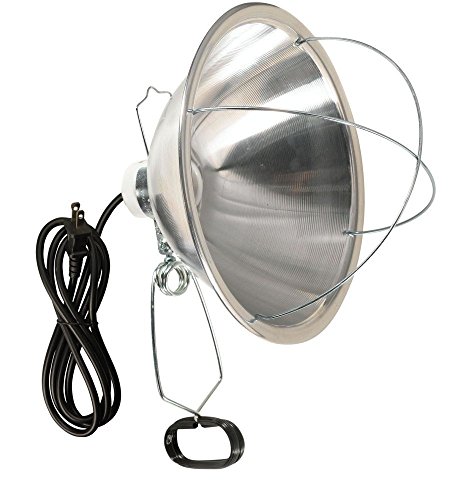
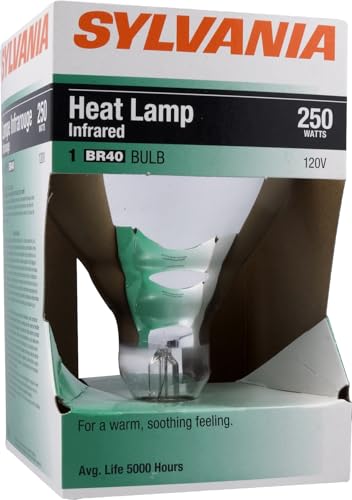
[edit]A regular incandescent heat-lamp bulb, the kind sold for warming chicken coops, used as an accessible red/infrared light source. See Red light.
The chronic deficiency of (red) light is the best explanation for the deterioration which occurs with aging.
— Ray Peat

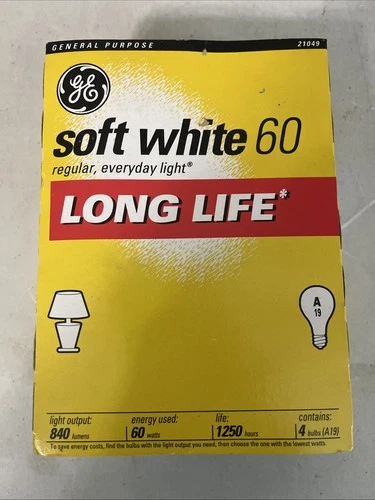
Ordinary home lighting without the blue-heavy spectrum of LED or fluorescent bulbs. See Incandescent.
Toxinless also ran a self-experiment with UVB lamps as an indoor sunlight substitute for vitamin D production, using a Rayminder Model 1 (~$150) or a cheaper Exo Terra UVB200 reptile bulb setup (~$72 for three bulbs).[1] No card here on purpose: the author's own writeup is openly uncertain about it, citing real UV exposure risk, needing UV safety glasses and topical protection during sessions, and getting only about 2 ng/mL of vitamin D per 30 days from a fairly intensive daily protocol.[1] The specific Rayminder model tested is also currently out of stock. Sunlight itself, see Sunlight, is the simpler and better-established route to vitamin D on this wiki; treat UVB lamps as an unsettled, self-directed experiment, not a recommended purchase.
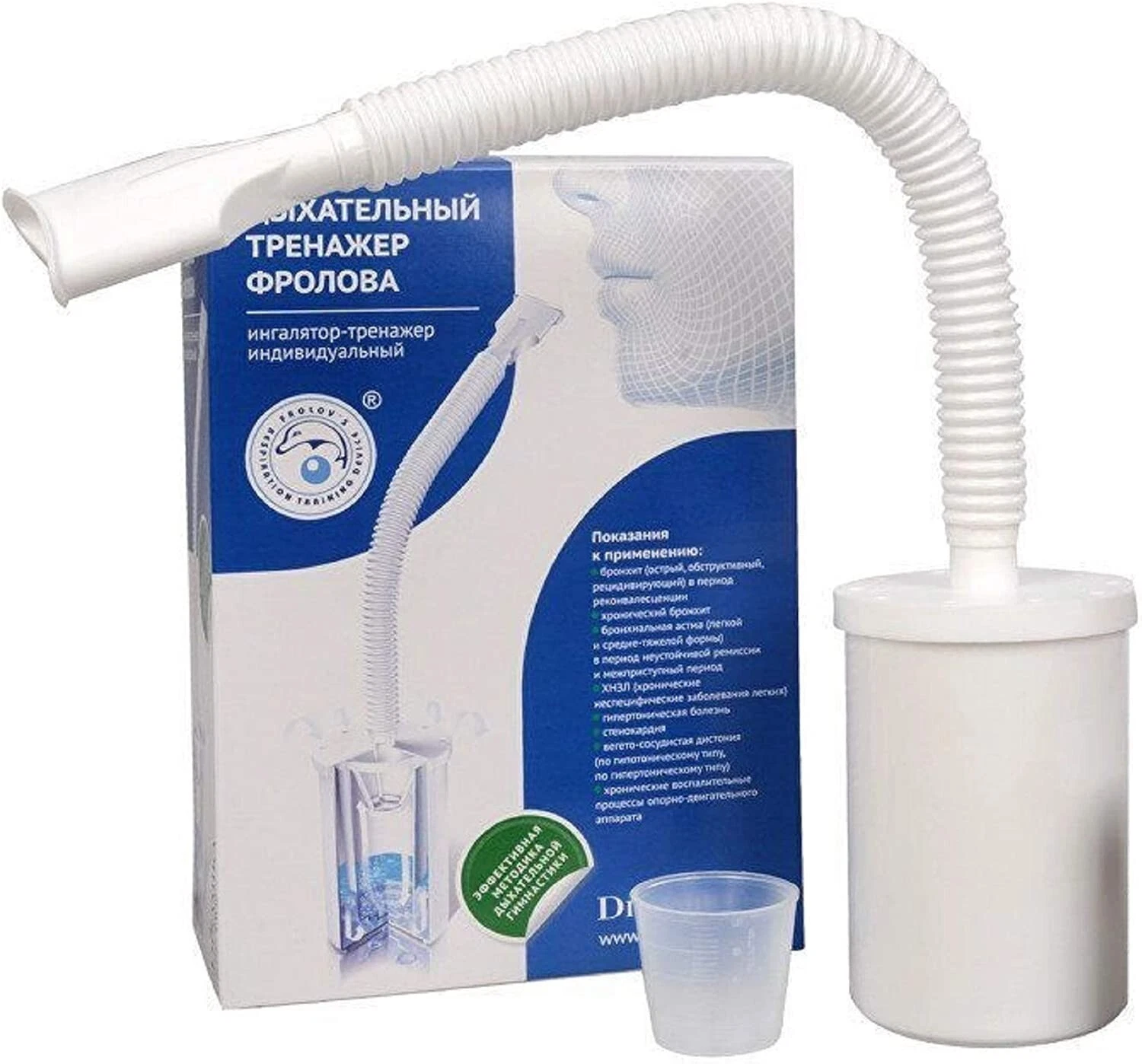
A hand-held breathing trainer (a small water-filled resistance device) used in reduced-breathing practice to build CO₂ tolerance, similar in goal to Buteyko breathing but as a physical tool rather than a technique.
Carbogen (a medical breathing gas mixture, typically 5–10% CO₂ with the remainder oxygen, historically used in respiratory therapy) has no clean consumer product to link, it's a compounded medical gas from specialty suppliers, requires a proper regulator, and should not be improvised carelessly.
A welding-supply CO₂ tank connected to an enclosed space (a tent or large bag) for sitting in a CO₂-enriched atmosphere, on the theory that raising tissue CO₂ has the stabilizing, anti-inflammatory effects described in Basics. Ventilate carefully; CO₂ at high concentration is an asphyxiation risk if not managed properly.
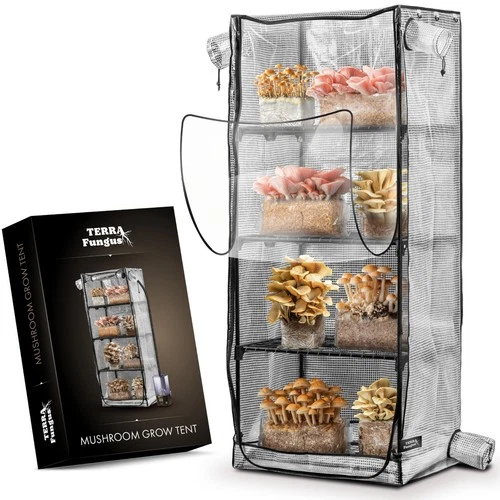
A cheaper alternative to the tent: a large contractor/trash bag sized to reach up to the neck, sealed loosely around a CO₂ source. No specific brand or listing recommended here, any heavy-duty large trash bag works.

Simple re-breathing: breathe into and out of a paper bag until mildly uncomfortable, repeat a few times a day. A low-cost way to raise CO₂ briefly; some people report it helps with anxiety or elevated blood pressure.

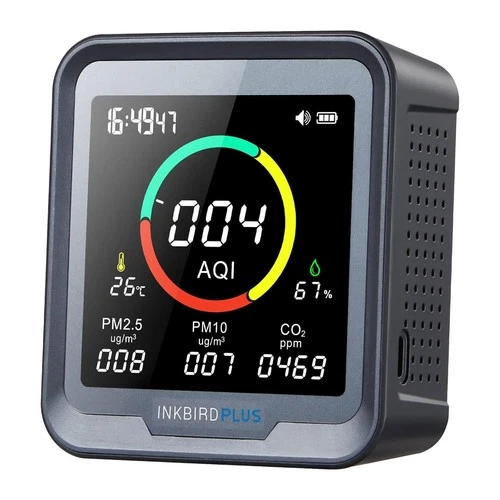
A device that measures exhaled or ambient CO₂, considered a more reliable way to assess metabolic/breathing status than blood bicarbonate.
Tracking
[edit]Tracking waking and midday temperature, the core thyroid-function marker used throughout this wiki. See Self diagnosis & markers.
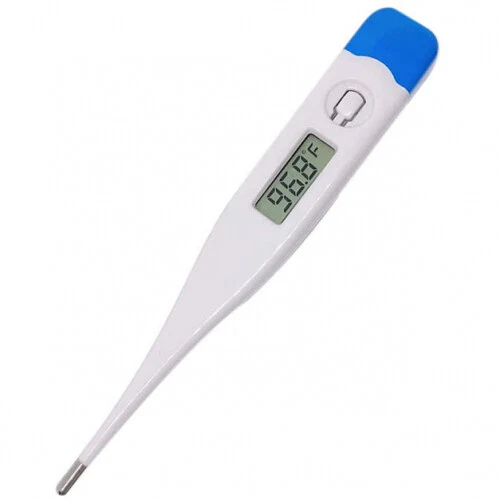
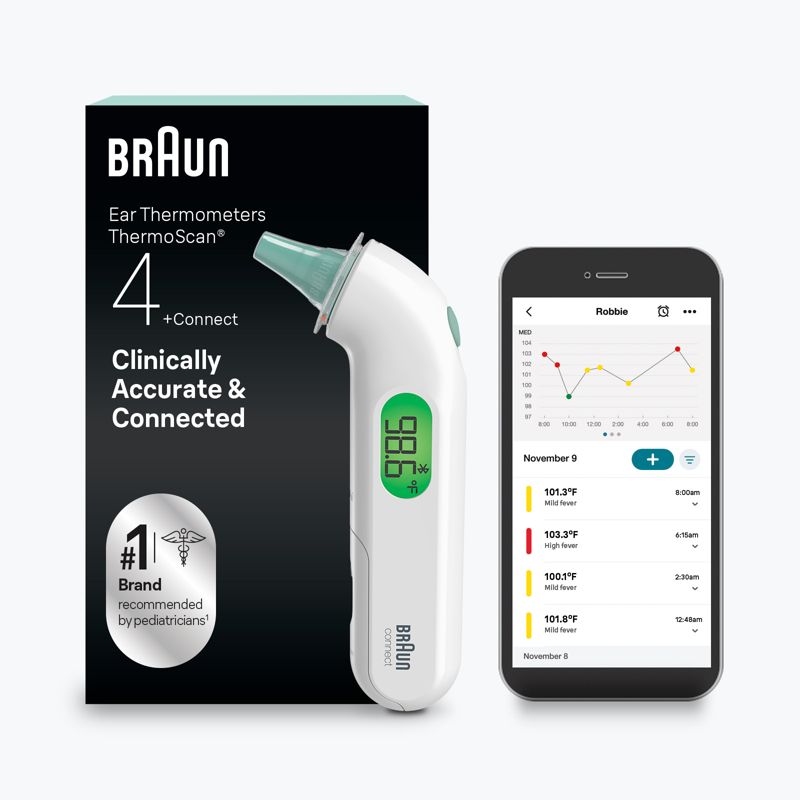
An infrared ear thermometer reads from the eardrum and needs to be aimed correctly, so take two or three readings each time.[2]
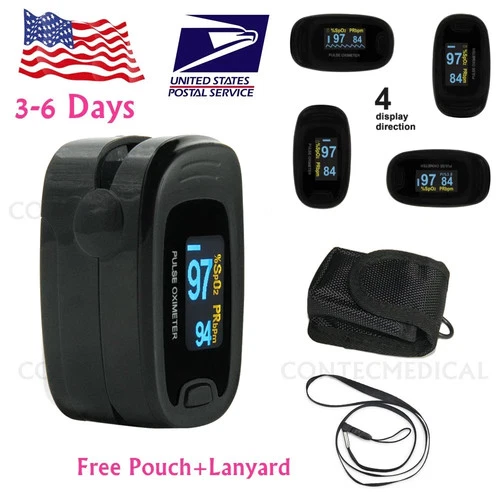
Tracking resting pulse, the other core marker. See Self diagnosis & markers.
Useful early on for portioning food while tracking intake, so you get an accurate sense of how much you're actually eating.

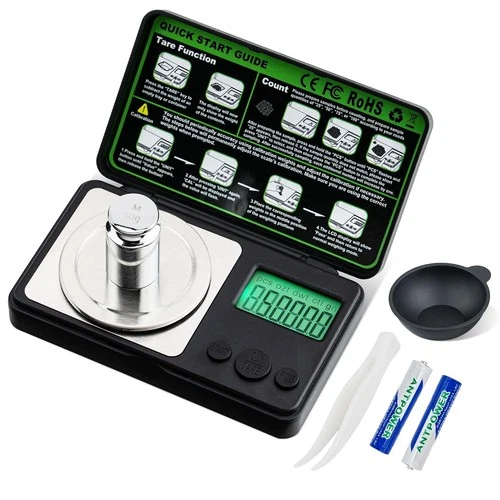
For accurately splitting small doses of supplements like T3, where a fraction of a milligram matters. See dosing cautions in Supplementing T3/T4 before using.

EMF and air
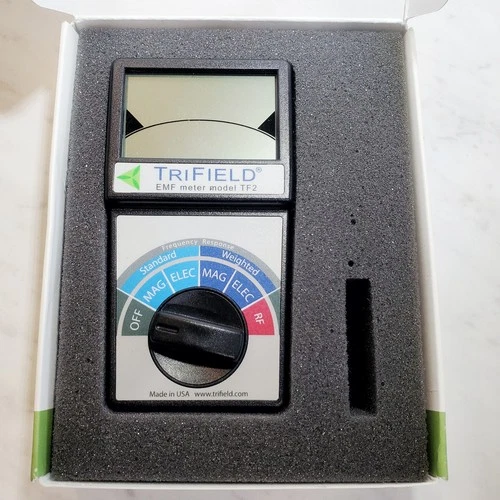
[edit]Turning off Wi-Fi when not in use and keeping phones/routers away from the body, on the theory that reducing unnecessary EMF exposure lowers a minor chronic stressor. See EMF. A meter makes the invisible exposure concrete enough to actually act on.
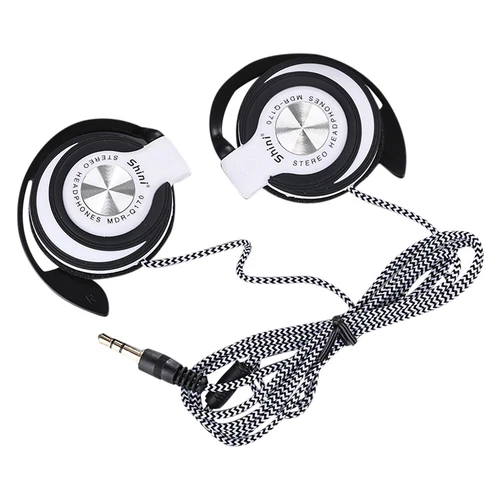
An alternative to Bluetooth earbuds for people specifically trying to minimize EMF exposure near the head.
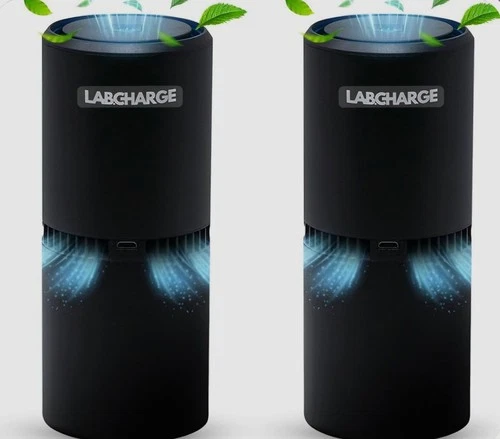
Improves indoor air quality; some devices combine HEPA filtration with negative-ion generation.
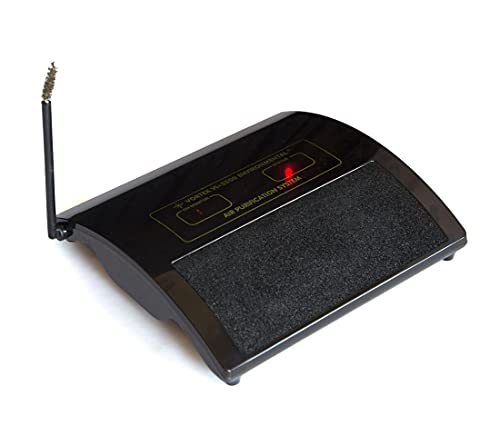
A filterless ionic purifier for a single room (rated up to about 800 sq ft), with no filters to replace.
Reduces chlorine and other water-treatment chemical exposure during showering.
Shower filter recommendation pending (TBD): not yet re-verified against a live listing.
Food and drink
[edit]Drinking water filtration
[edit]It's good to avoid fluoridated water where possible.[3] For general contaminants and microplastics, reverse osmosis is probably the most effective practical filtration method.[4]
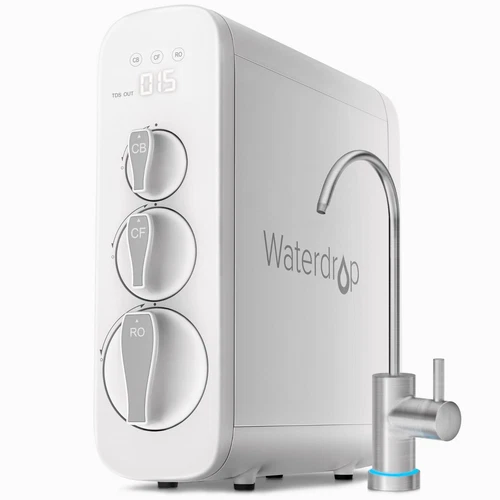
Distillation is fine too and can produce purer water, though it's pricier and slower to produce than reverse osmosis; the idea that distilled or otherwise low-mineral water is unhealthy doesn't hold up, since regional health differences blamed on "soft" water actually track with less lead-dissolving hardness and lower sunlight/vitamin D, not the missing minerals themselves.[5] Danny Roddy uses and recommends both a US Water Systems reverse-osmosis unit and a CT-line countertop distiller, with no affiliation to either brand.[6]
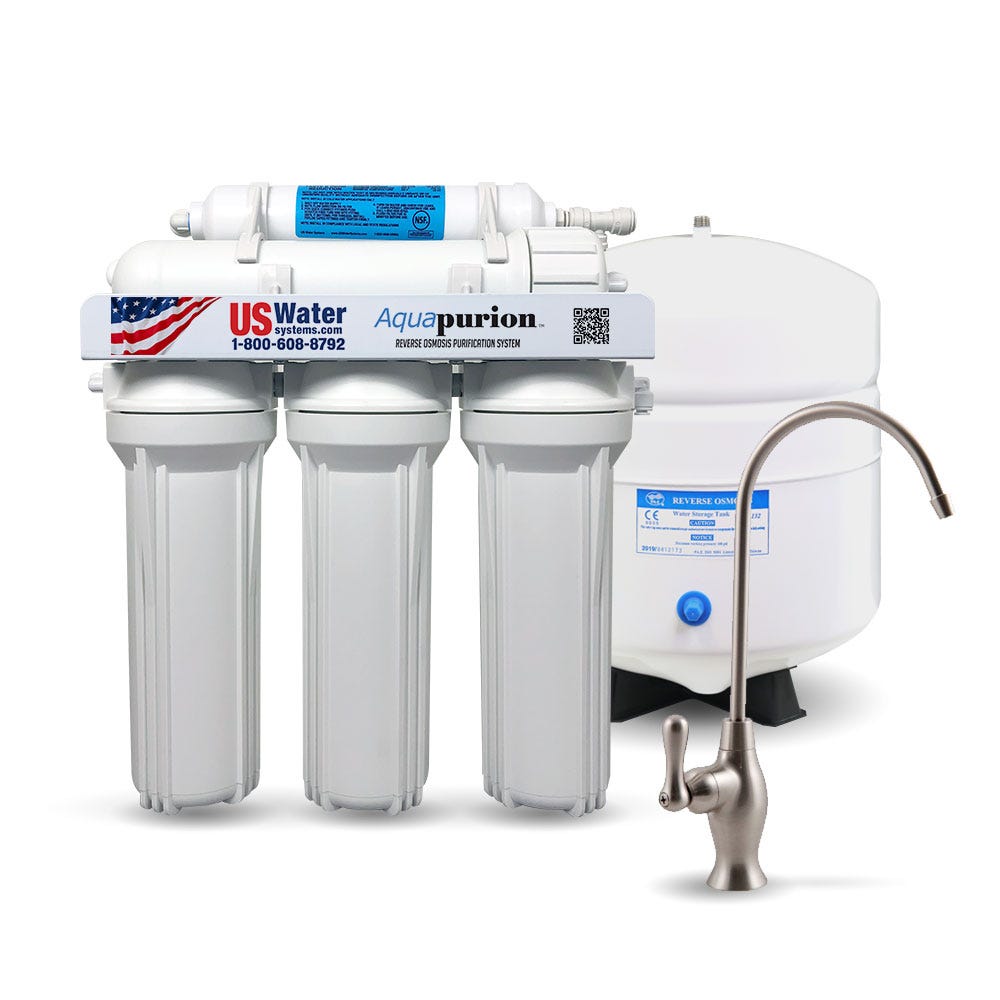
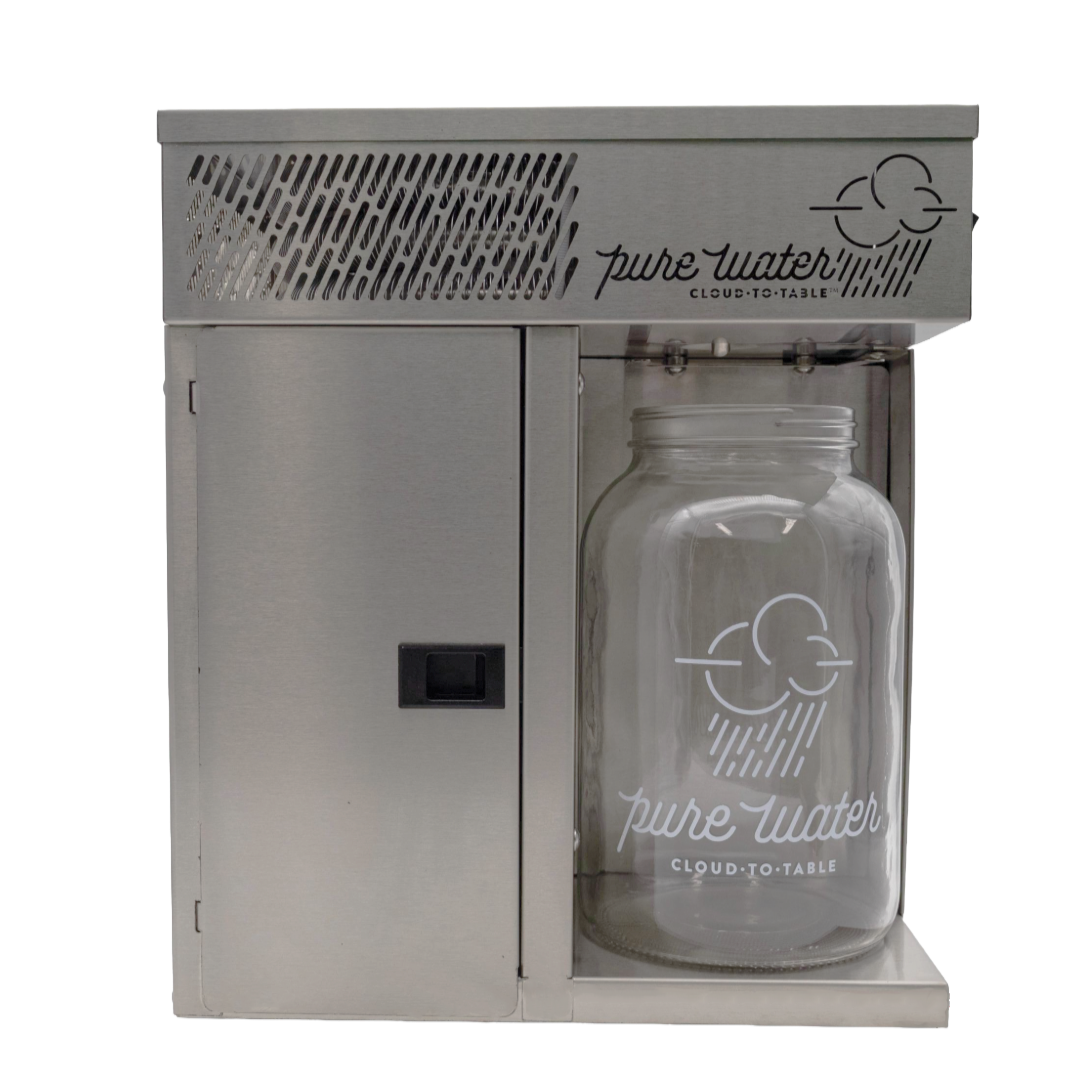
Distilled water is the one he singles out as superior, at the cost of more time and energy to produce.[6]
A convenient way to get salt, real sugar, and other electrolytes, particularly useful around exercise. Prefer a real-sugar formula over the stevia/sucralose-sweetened powders most brands use; sugar itself supports the metabolic rate rather than just replacing minerals.

Not yet independently tested by Toxinless or Lead Safe Mama; ingredient list checked directly (real cane sugar, no maltodextrin, no artificial dyes) rather than lab-verified.
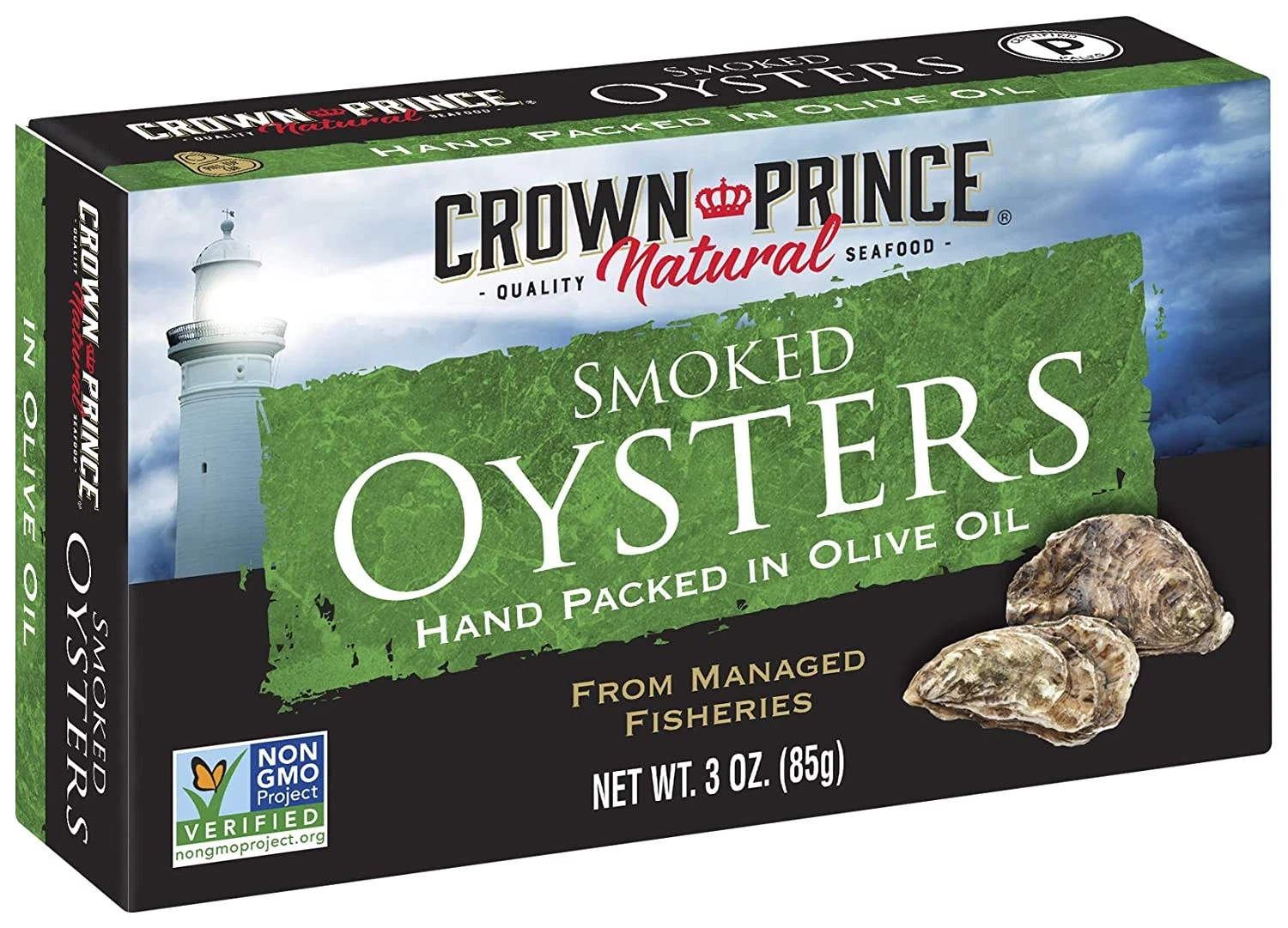
A shelf-stable, low-effort source of zinc, selenium, and other minerals. Toxinless's canned-oyster brand comparison lists Crown Prince favorably (South Korea sourcing, no cottonseed/soybean oil in the line).[7]
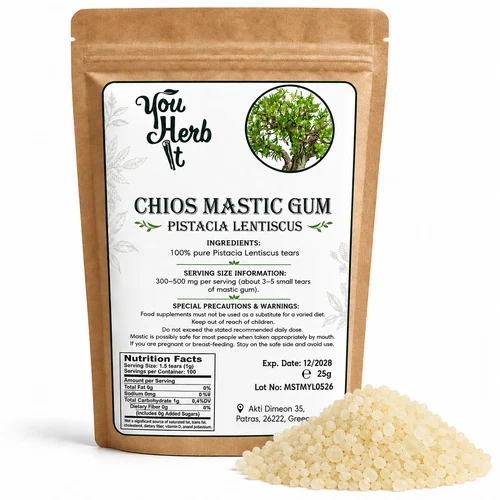
Chewing gum resin some people use for its reported antibacterial/digestive effects.
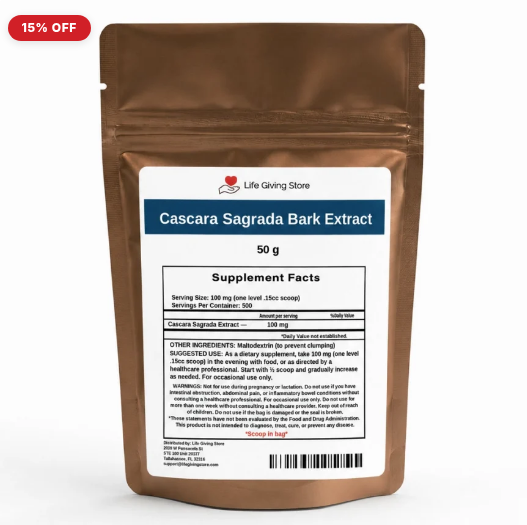
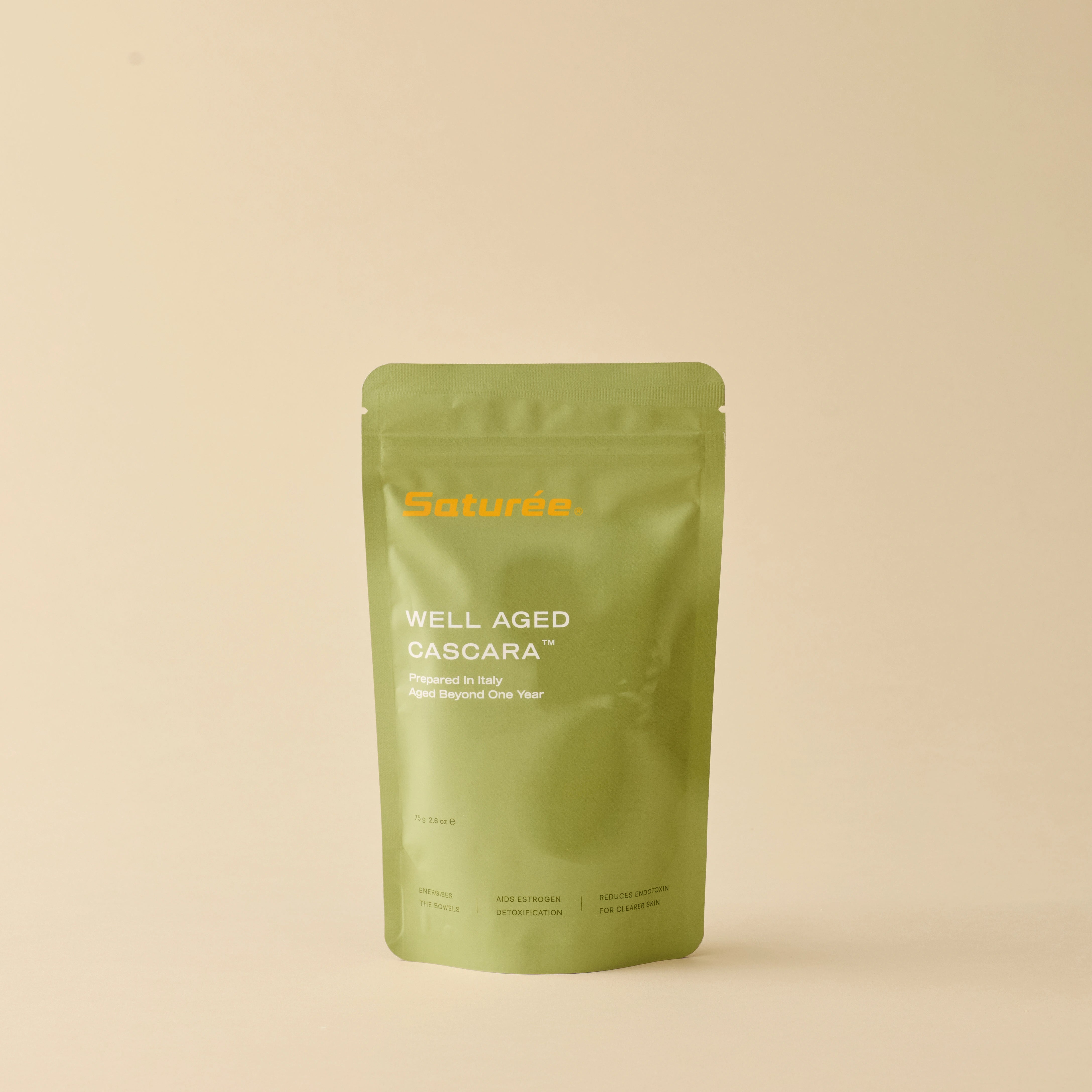
Cascara sagrada bark, aged before use; a traditional bowel-regularity aid. Two source options below.
Kitchen
[edit]Avoiding leaching of unwanted metals or coatings into food. See Cookware below for full brand guidance.
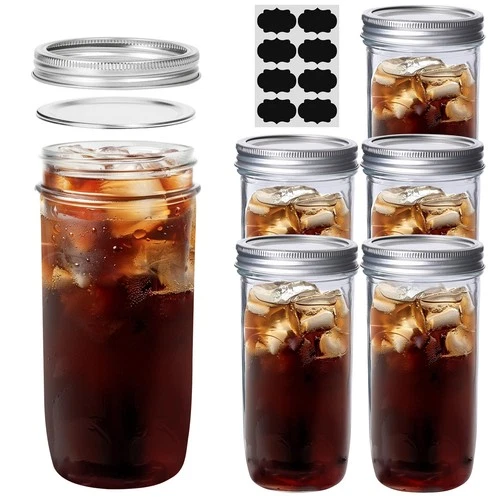
Wide-mouth mason jars for storing broth, and glass containers generally, to avoid storing warm/fatty food in plastic.
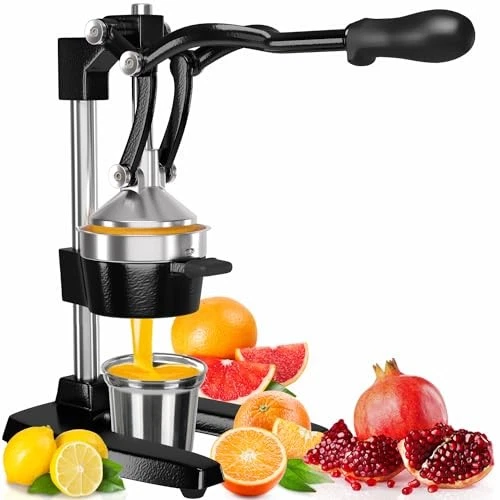
For fresh orange juice, a foundational food throughout the Diet page.
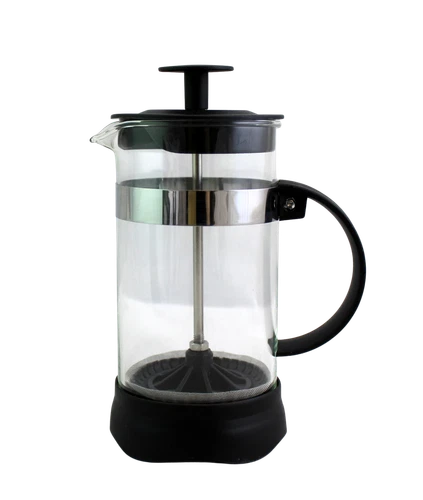
Some coffee makers and filters can leach plastic into the brew; a metal filter or a French press avoids this.
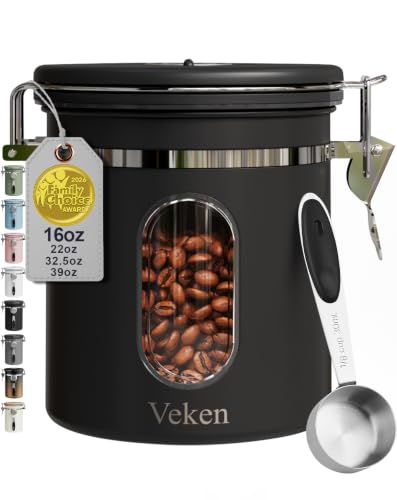
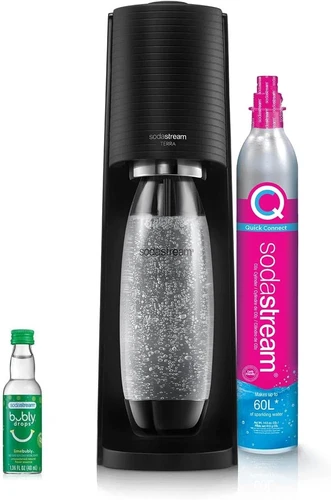
For home-carbonating drinks without a plastic bottle/cylinder setup.
Cookware
[edit]Cookware matters mainly for what it can leach into food, especially acidic food, over repeated heating. Ray Peat answered a set of direct questions on which pots and pans are safe in his article "Iron's Dangers," and that Q&A is the basis for the materials guidance below.[8] The brand picks and buying steps further down come from a single X (Twitter) thread by @myles_snider instead, one person's opinion, not an independently verified source.[9]
Safe materials
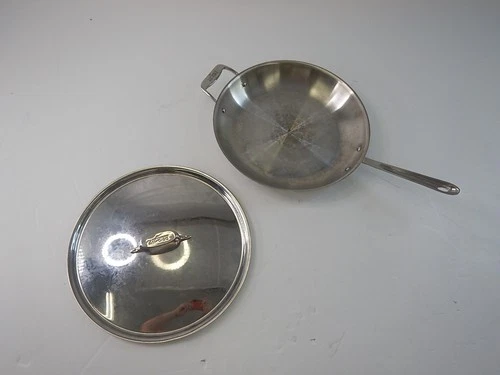
[edit]Stainless steel: Non-toxic, durable, and versatile for all cooking methods, because its iron is relatively insoluble.[8] Nickel content is the main concern: nonmagnetic grades (which a fridge magnet will not stick to) are high-nickel and should be avoided, since Peat described nickel as "allergenic and carcinogenic" and "much more toxic than iron or aluminum." Magnetic grades don't have this problem, so a quick magnet test before buying (or before trusting a secondhand pan) is enough to sort the two apart.[8]
Teflon-coated (non-stick): Peat's own answer on this is more permissive than the popular anti-Teflon consensus.
Teflon-coated pans are safe unless they are chipped.
— Ray Peat
Since the risk is specifically the exposed coating, not the material itself, an intact Teflon pan is a reasonable choice, and one that's already chipped or scratched is the one to retire.
Borosilicate glass: Ideal for baking and storage; heat-resistant and non-leaching. Peat lists glass among the safe utensils in the same Q&A.[8]
Ceramic: Safe if lead- and cadmium-free; use for low-heat tasks only, as coatings can wear over time.
Materials to avoid
[edit]Iron and copper pans with acidic food: Cooking acidic foods, including tomatoes and fruit, in iron or copper pans leaches metal into the food, and an iron pan specifically destroys vitamins in acidic sauces, so both are best kept away from acidic food.[11][8] Non-acidic food is a different case: Peat has described deliberately cooking eggs in a copper pan to raise his own copper intake and avoid the iron a plain iron pan would add instead.[12]
Aluminum: Aluminum and iron behave similarly in cells and are both suspected factors in Alzheimer's disease; coffee percolated in an aluminum pot has been shown to pick up a large amount of dissolved aluminum because of coffee's acidity, so acidic liquids are the main thing to keep out of aluminum cookware.[8]
Pewter dishes: Listed alongside iron and copper pans as something to avoid in Peat's general nutrition principles.[11]
Nonmagnetic ("18/10") stainless steel: See the magnet test above, high nickel content.
Plastic Cutting Boards and Coffee Filters: Microplastics can shed into food; avoid entirely to prevent ingestion of particles.
Plastic Air Fryers: Often incorporate plastics that off-gas or leach at high temperatures.
For non-stick needs
[edit]Beyond an intact Teflon pan (see above), a few other options avoid the risk of a scratched coating entirely, per the myles_snider thread cited above.[9]
- A single ceramic pan (low-heat only).
- Seasoned carbon steel (builds natural non-stick patina).
- Properly preheated stainless steel (calibrate heat to release food easily).
Cutting boards: wood vs. plastic
[edit]Choose wooden cutting boards over plastic for superior hygiene. A landmark 1993 study by Dean O. Cliver at the University of Wisconsin-Madison found that over 99% of bacteria (e.g., Salmonella, Listeria, E. coli) on wooden boards died within three minutes due to the wood's porous structure trapping and killing microbes. In contrast, bacteria on plastic boards survived and multiplied.[13] Wooden boards self-sanitize when kept dry; plastic harbors residues, leaves plastic dust in your meal.
Buying cookware
[edit]Follow these steps to build a functional, lasting collection without overspending:[9]
Default to Stainless Steel: It's non-toxic, works for everything, and cleans easily with proper technique (e.g., deglaze with water while hot).
Start with Basics: No need for massive sets. Core pieces:
- Skillet (for searing, frying).
- Saucier (versatile for sauces, risottos).
- Stockpot (for soups, boiling).
- (Optional) Saucepan (for smaller tasks).
Avoid Overhyped Brands: Skip Instagram darlings like Caraway, Our Place, and Great Jones. They’re overpriced, China-made, and prioritize aesthetics over performance.[9]
Retire Chipped Non-Stick: As noted above, an intact Teflon pan is fine; once the coating is chipped or scratched, replace it rather than keep cooking on the exposed surface.
Recommended brands
[edit]Focus on quality stainless steel and carbon steel from reputable makers:
- Heritage Steel: Family-owned, US-made, affordable (try the Eater Series).[9]
- Made In Cookware: Italian stainless and carbon steel; reasonably priced and versatile.[9]
- All-Clad: Proven classic for high performance.[9]
- De Buyer or Demeyere: Excellent but pricier; added functionality is marginal for most home cooks.[9]
Other considerations
[edit]Copper Pans: Excellent for even heat distribution and precise temperature control, making them ideal for delicate sauces or professional use with non-acidic food (see the copper-pan note above for why acidic food is the exception). They're reactive with acid, expensive, and require polishing to prevent tarnish. Best for enthusiasts, not beginners.
Dish Soap Alternatives: For eco-friendly cleaning, use baking soda pastes or vinegar solutions on stainless steel to avoid chemical residues, though mild soap is fine for most.
General Tip: Preheat pans gradually and use enough fat to prevent sticking on stainless or carbon steel. Since the same magnet test used to sort safe from high-nickel stainless applies to secondhand cookware too, buying used pans and testing them is a reasonable way to save money without giving up the safety check.[8]
Supplements and topical
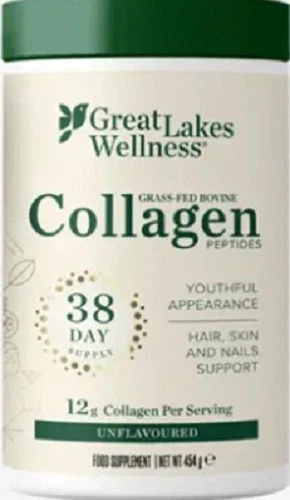
[edit]Balances the tryptophan-heavy amino acid profile of muscle meat; see Diet: Protein strategy. Great Lakes Collagen Hydrolysate is one brand that publishes independent test results for heavy metals, glyphosate, and antibiotics.[14] See Gelatin. Independent lab testing by Lead Safe Mama found 14 ug/kg lead in a Perfect brand bovine gelatin/collagen product (arsenic, cadmium, and mercury were not detected).[15] A separate Lead Safe Mama test of Great Lakes Wellness Grass-Fed Bovine Collagen Peptides (Unflavored) found 23 ug/kg lead and 18 ug/kg arsenic (cadmium and mercury not detected).[16] That "Great Lakes Wellness" product line is not confirmed to be the same as the Great Lakes Gelatin Co. Collagen Hydrolysate linked below; still, both numbers are a reminder to favor brands that publish their own third-party test results rather than assuming any gelatin/collagen product is clean.
Widely referenced throughout this wiki for its anti-inflammatory and metabolic effects; see the Aspirin page before using regularly. Toxinless flags most name-brand aspirin for added dyes/coatings and recommends simple uncoated formulas instead.[17]
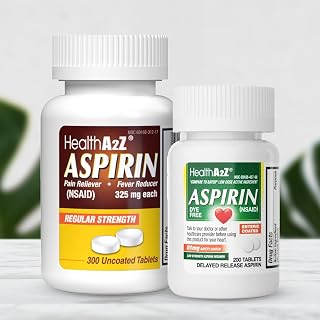
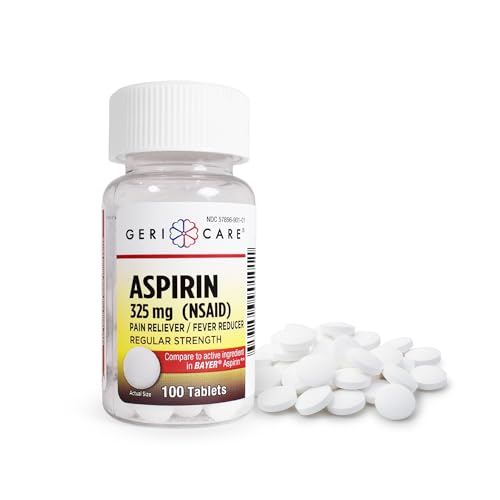
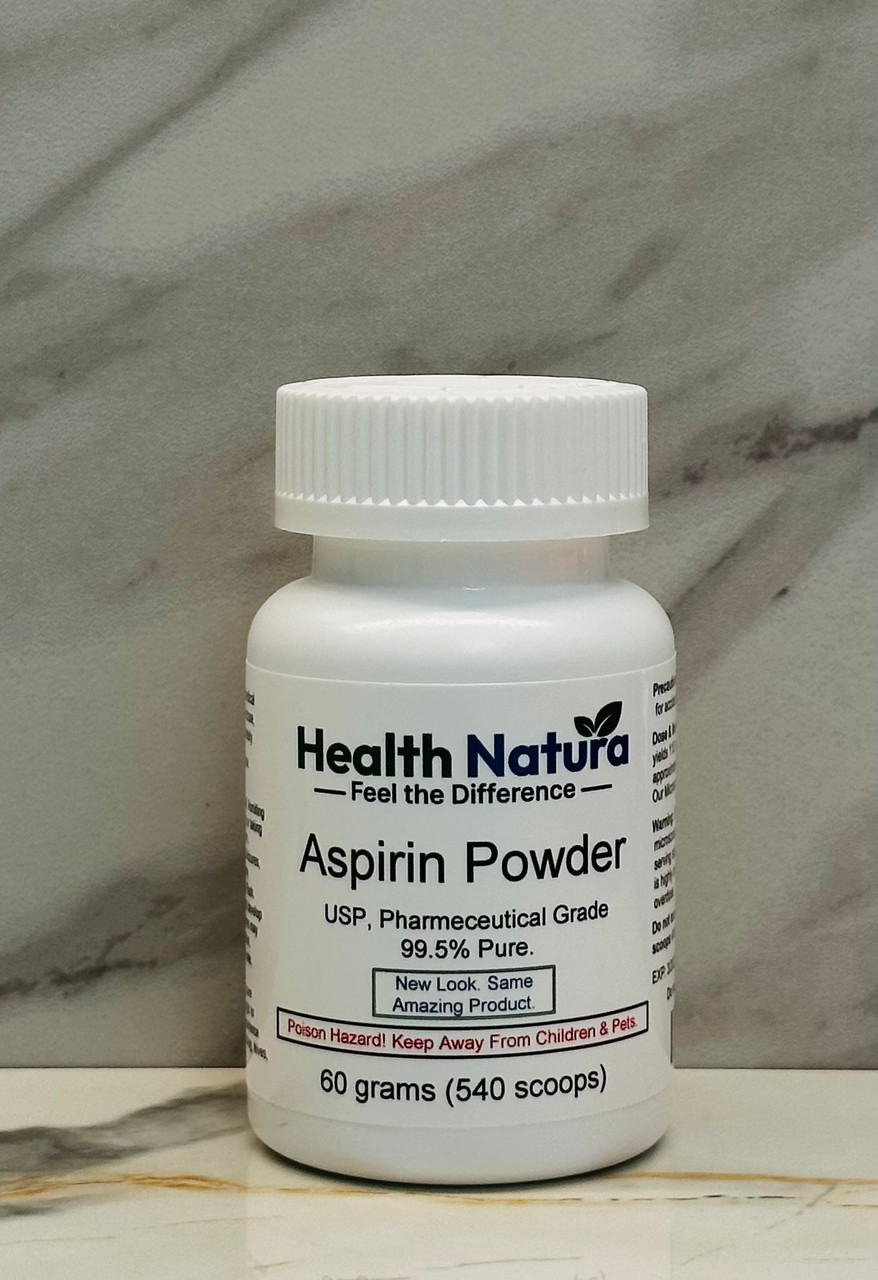
Not yet independently tested by Toxinless or Lead Safe Mama itself, but matches the simple "aspirin, corn starch" formula Toxinless recommends over more heavily-additived brands.[17] Corn starch is the binder/filler in most uncoated tablets; since aspirin dissolves in water and starch mostly doesn't, dissolving a tablet and letting the undissolved starch settle out is a simple way to separate the two. A pharmaceutical-grade aspirin powder, like the Health Natura option above, skips the starch-filler question entirely.
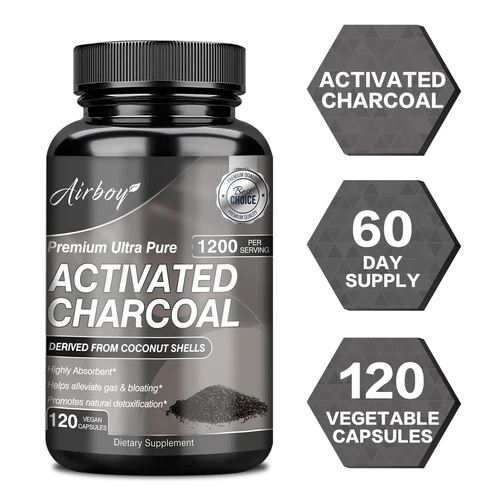
Sometimes used for binding toxins in the gut.
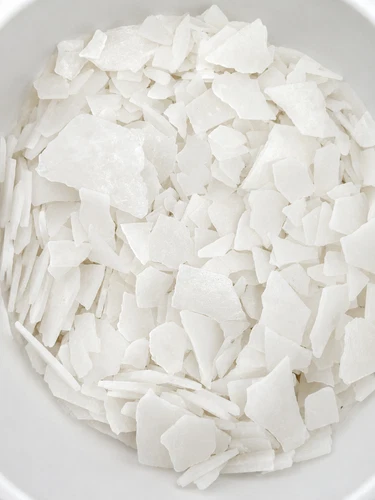
Some people dissolve baking soda, caffeine, magnesium salt/flakes, and aspirin in a warm bath as an alternative route of exposure; measure doses carefully, and keep a sugary drink on hand, since a hot bath combined with these can otherwise leave you feeling lightheaded.
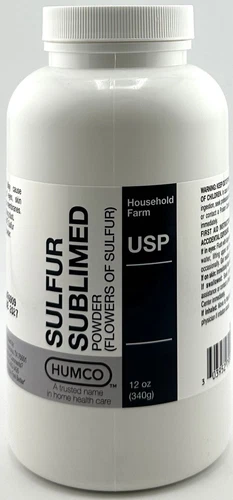
USP-grade sublimed sulfur powder, sometimes used as a bath additive alongside the ingredients above.
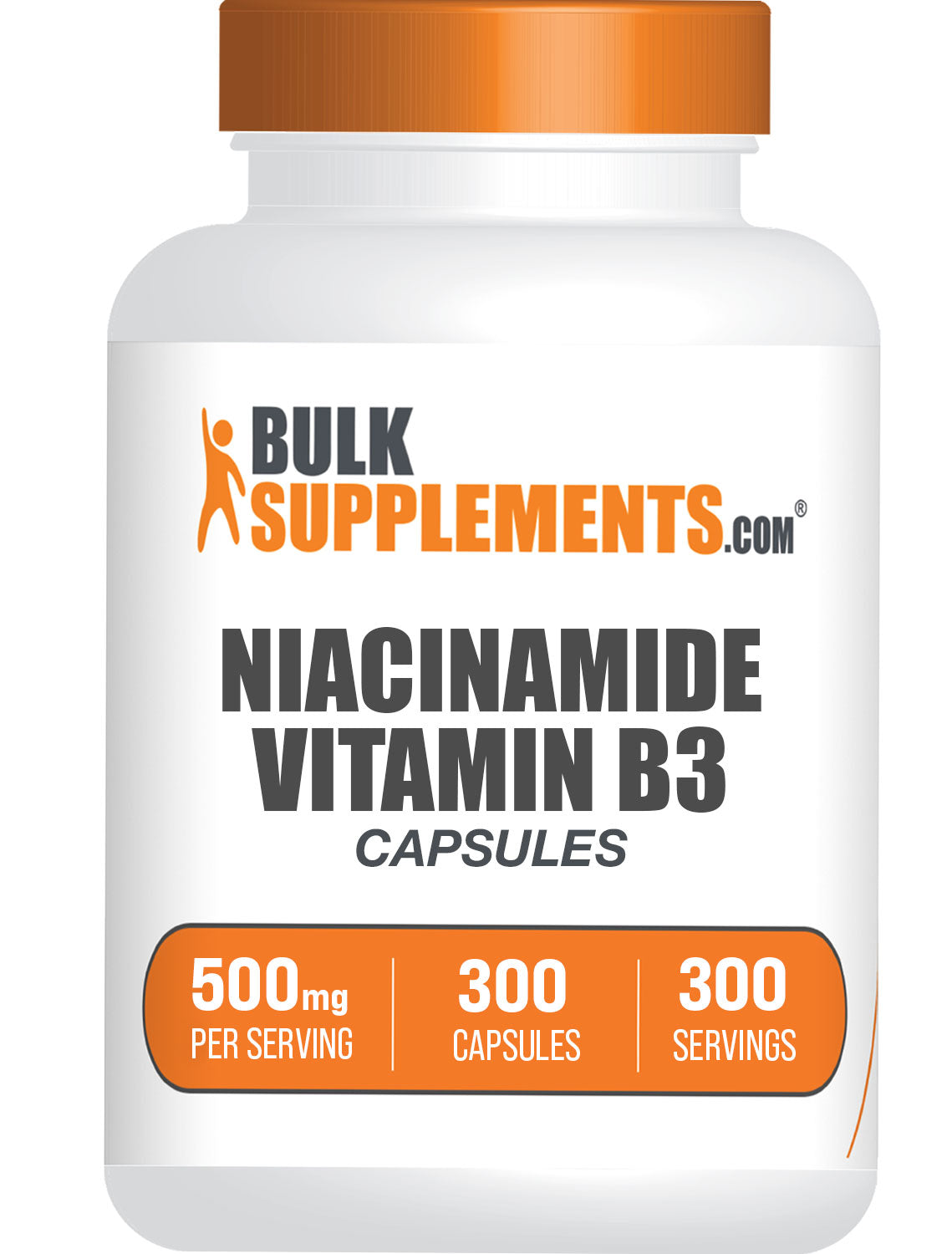
Supports cytochrome oxidase and mitochondrial respiration; see Niacinamide. Toxinless's pure niacinamide picks avoid the silica, stearic acid, and hypromellose fillers most brands add.[18]
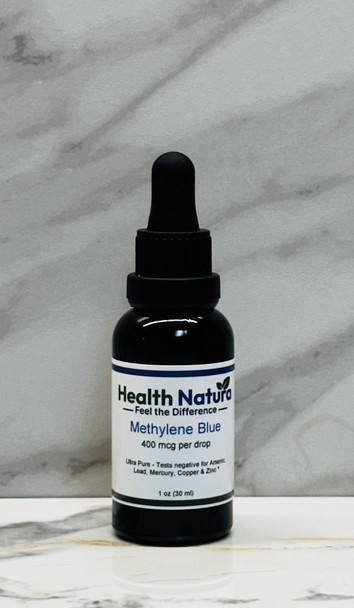
Oral methylene blue, distinct from the topical BLOO scalp wash above; see Methylene blue before dosing. Toxinless's own previously-recommended source (Blue Brain Boost) was discontinued in 2019; this is the current source it points to instead, though Toxinless notes it hadn't yet received a certificate of analysis for this specific product at time of writing.[19]
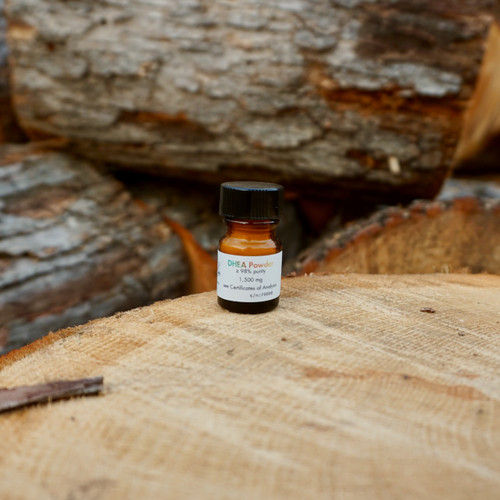
A restoration dose of DHEA; see Dehydroepiandrosterone for dosing.
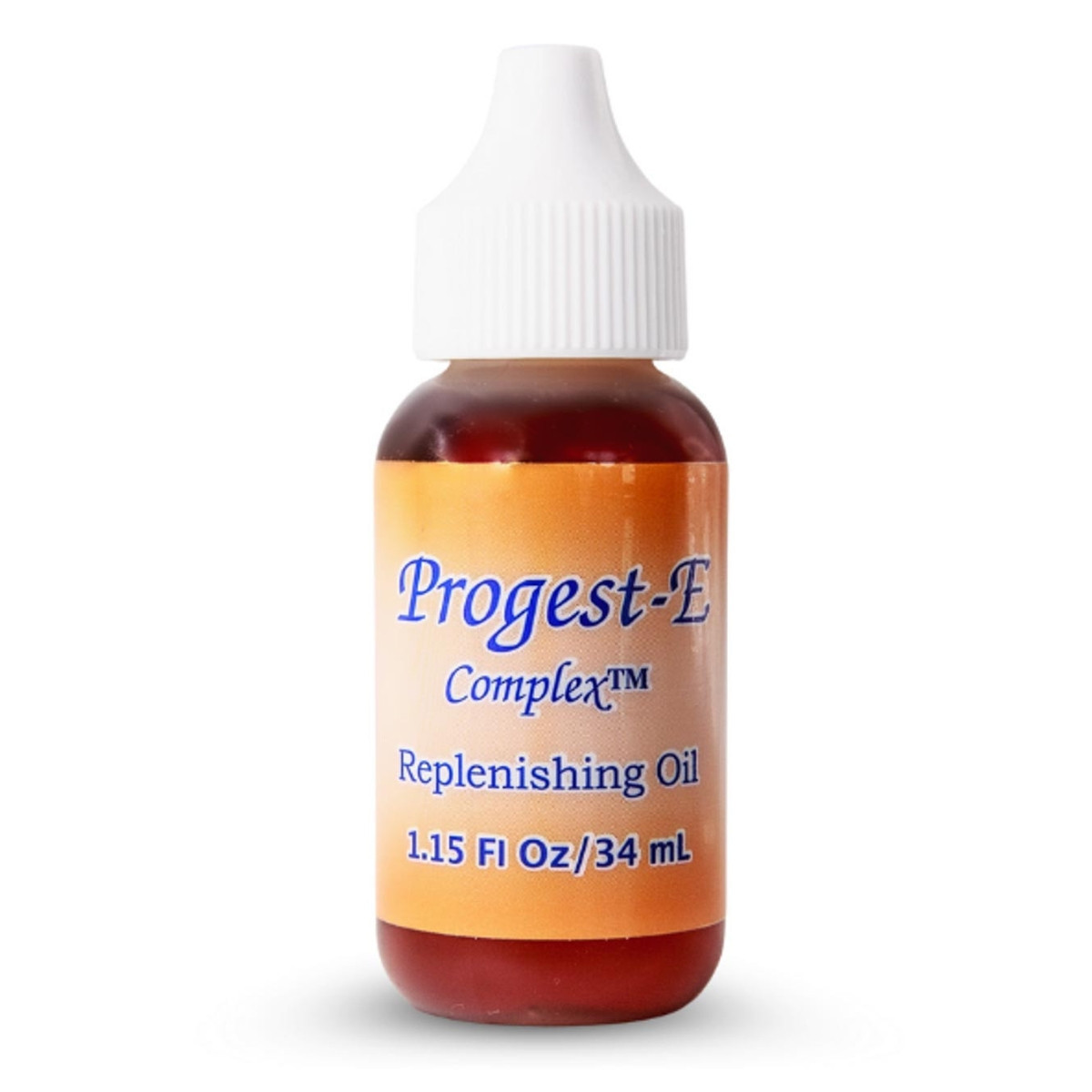
Progesterone in vitamin E, about 3 mg per drop; see Progesterone: Progest-E for dosing. The same Kenogen-made product is documented there via this retailer listing; Kenogen can also be ordered directly by emailing [email protected].
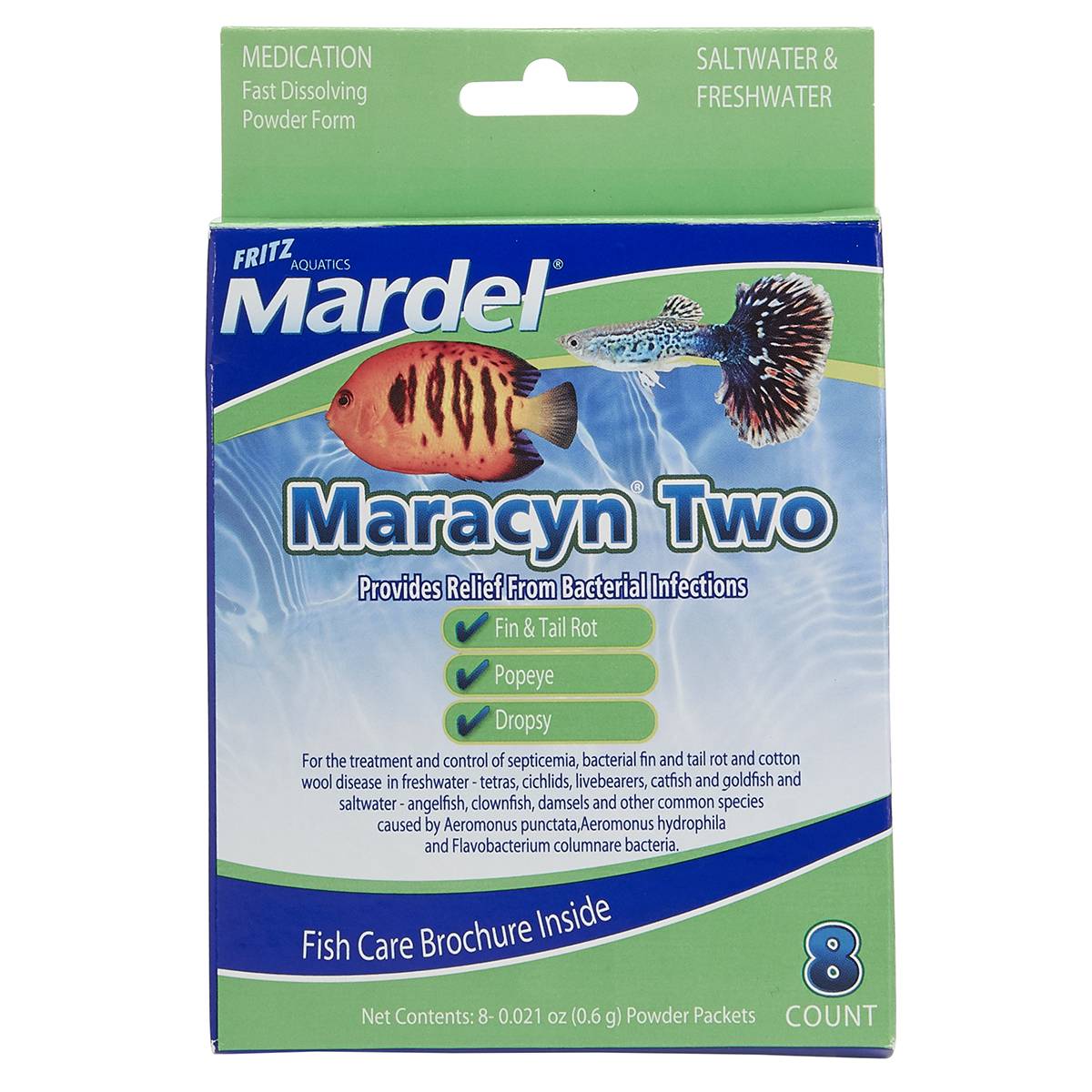
A minocycline-based antibiotic sold as an aquarium medication; some people use it as an accessible source of oral minocycline. Not a substitute for medical advice, and dosing for human use isn't established by the manufacturer.[20]
A gut-tolerant, well-absorbed chelated form of magnesium for oral dosing.
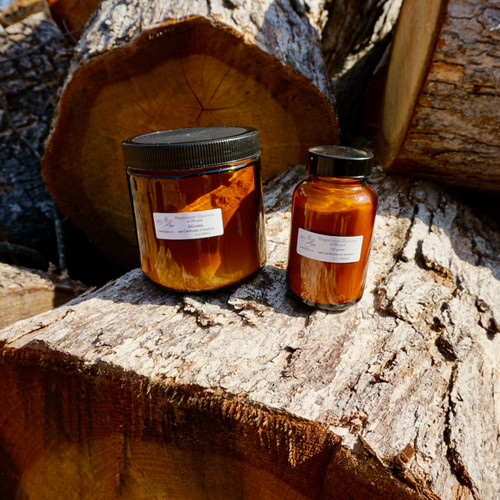
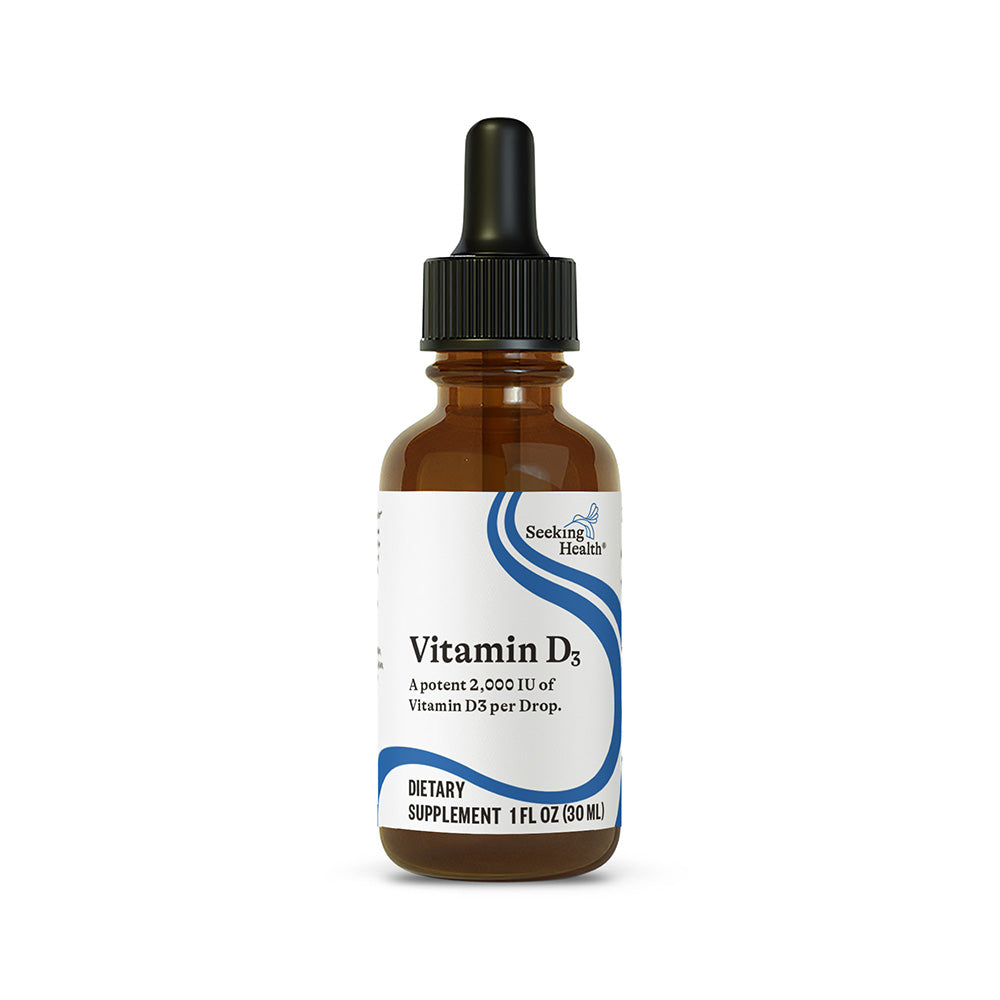
Vitamin D3 dissolved in extra virgin olive oil, a fat vehicle for absorption; see the dosing table on that page.
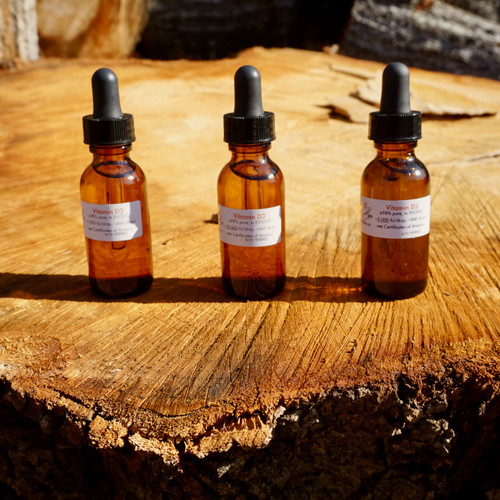
Vitamin K2 MK-4 in the same olive-oil carrier, taken alongside vitamin D3 and calcium.
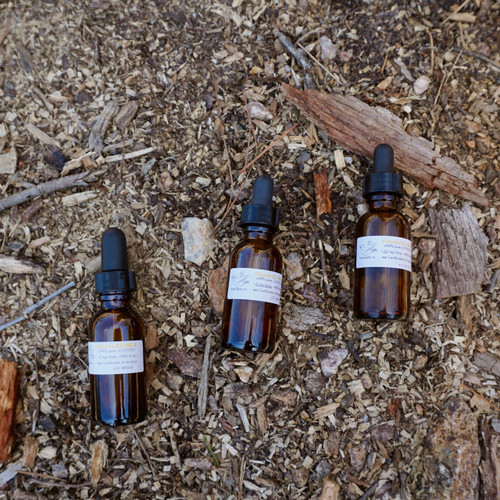
Pulverized eggshell, a dairy-free calcium source; see Calcium § Practical sources for the dose.
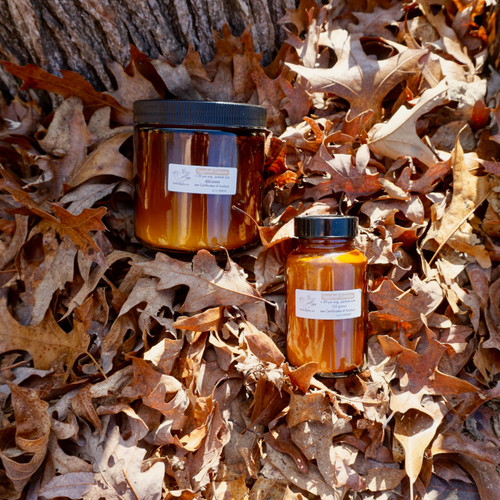
Mixed tocopherols, preferred over isolated alpha-tocopherol; see Vitamin E for dosing by PUFA intake.
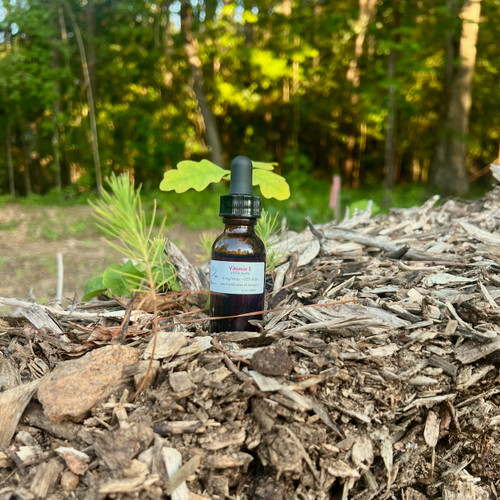
Amber glass dropper bottles for storing and dosing liquid supplements (like the D3/K2 EVOOO drops above) out of light, which degrades some of them faster than plastic or clear glass.
Hygiene products
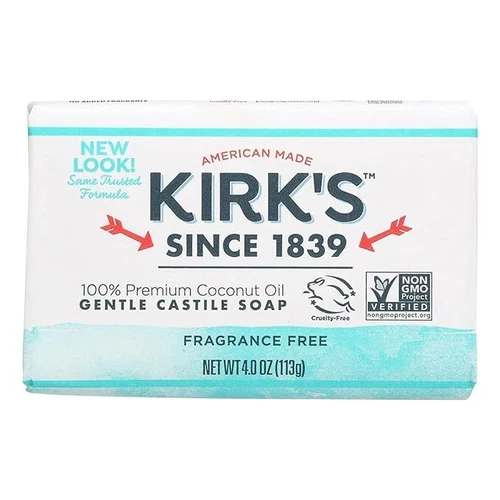
[edit]Washing skin with pure soap alters the skin's endocrine function for days, and doing it daily is itself a form of endocrine disruption, independent of whatever else is in the soap.[21]
Lower-endocrine-impact alternative to daily shampoo.
A topical methylene blue scalp wash, a more active option than plain soap for scalp/skin cell energy support.
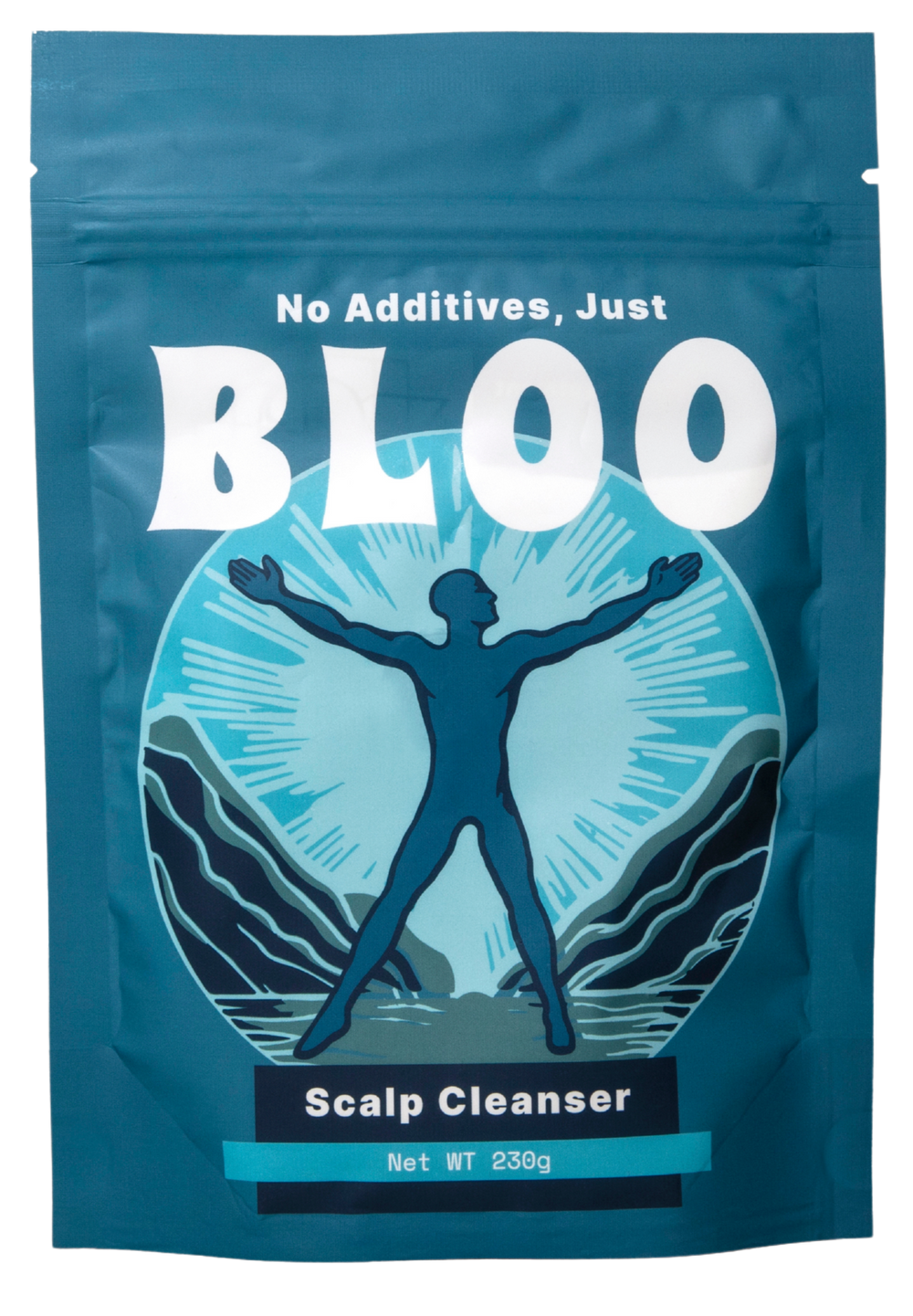
Not yet independently tested by Toxinless or Lead Safe Mama.
10% sulfur soap leaves an antiseptic residue useful for acne or skin infection specifically, not for daily whole-body washing.[22] Ray Peat has said the plain sulfur soaps are what he uses himself, and that he hadn't tried a version with added salicylic acid; the product below combines sulfur with salicylic acid and zinc oxide, a stronger antimicrobial/anti-fungal combination but not the exact plain formula he described.[22]
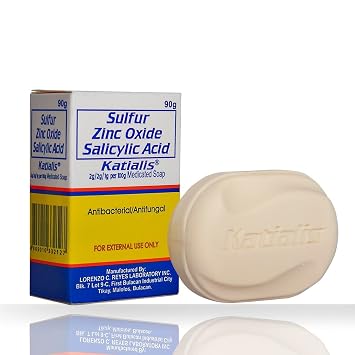
Not yet independently tested by Toxinless or Lead Safe Mama.
Ray Peat has directly endorsed zinc oxide as the least harmful sunscreen, avoiding the systemic absorption and endocrine-disrupting effects of chemical UV filters like oxybenzone.[23] That's a separate question from heavy-metal contamination, though: independent lab testing has found lead and cadmium in most zinc-oxide sunscreens tested to date, including EWG-verified brands, with no product yet confirmed clean of both concerns at once.[24] Check a specific product's current test result before buying rather than assuming "zinc oxide" alone means clean.[24]
Several toothpaste brands have tested non-detect for lead, mercury, cadmium, and arsenic via independent XRF testing, an added check beyond ingredient lists alone. This ruled out the hydroxyapatite-based toothpastes previously listed here: Lead Safe Mama's testing has found every hydroxyapatite toothpaste checked so far contaminated with lead, and in some cases cadmium, mercury, or arsenic too, none have come back clean.[25] Weleda's fluoride-free salt toothpaste is one of the small number of products that has tested non-detect for all four metals.[25]
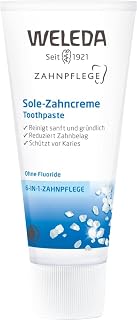
Deodorant, shaving cream, perfume, and cologne have no known toxin-free commercial products; minimize use rather than substitute.
Toxinless (a directory of foods and supplements screened for unnecessary additives and heavy metals) and Lead Safe Mama (independent XRF heavy-metal testing of consumer products) are two useful sources for checking a specific product before buying it, rather than a substitute for the general recommendations above.[26][27]
Fitness
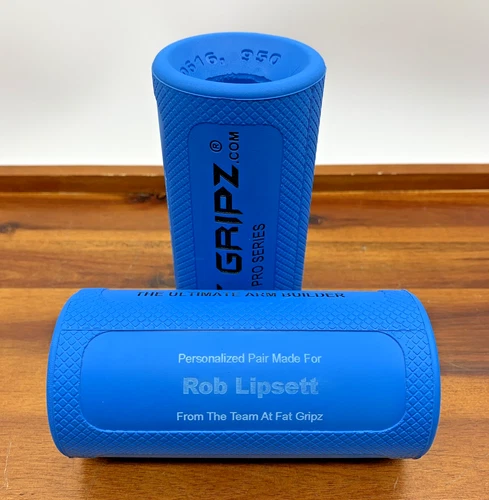
[edit]Optional accessory for the training approach described in Bodybuilding & Weight loss.
Miscellaneous
[edit]Raises the knees above hip level to ease bowel movements; anything stable enough to put your feet on works.

Wardrobe basics vary too much by body and budget to reduce to one product; see the dedicated page for clothing considerations.
| Roadmap Navigation | ||
|---|---|---|
| ← Previous step Roadmap/08 - Bodybuilding & Weight loss |
← Full Roadmap Overview | |
See also
[edit]References
[edit]- ↑ 1.0 1.1 Toxinless, "Vitamin D (UVB) experiment and lamp comparison," https://www.toxinless.com/vitamin-d-uvb-lamps
- ↑ Ray Peat, interview, "Dr. Fauci's 'Absolute or None' Approach Is Cult Thinking, Not Science," One Radio Network, 89:12–92:01.
- ↑ Ray Peat, email correspondence, "Fluoride," raypeatemails.com, https://raypeatemails.com/Topics/Fluoride
- ↑ Ray Peat, email Q&A on microplastics and water filtration.
- ↑ Ray Peat, email correspondence, "Distilled Water," raypeatemails.com, https://raypeatemails.com/Topics/Distilled%20Water
- ↑ 6.0 6.1 Danny Roddy, Telegram post, April 26, 2024, https://t.me/dannyroddy/1711
- ↑ Toxinless, "Canned oyster brand comparison," https://www.toxinless.com/canned-oysters
- ↑ 8.0 8.1 8.2 8.3 8.4 8.5 8.6 Ray Peat, "Iron's Dangers," raypeat.com.
- ↑ 9.0 9.1 9.2 9.3 9.4 9.5 9.6 9.7 Myles Snider, cookware recommendation thread, X (formerly Twitter).
- ↑ Ray Peat, "Iron's Dangers," raypeat.com.
- ↑ 11.0 11.1 Ray Peat, "Nutrition for Women", p. 95
- ↑ Ray Peat, "Generative Energy", p. 88
- ↑ Ak NO et al., "Cutting Boards of Plastic and Wood Contaminated Experimentally with Bacteria," Journal of food protection, 1994
- ↑ Toxinless, "Collagen," https://www.toxinless.com/collagen
- ↑ Tamara Rubin, "Perfect Bovine Gelatin/Collagen Protein," Lead Safe Mama, October 28, 2024, https://tamararubin.com/2024/10/perfect-bovine-gelatin-collagen/
- ↑ Tamara Rubin, "Great Lakes Wellness Grass-Fed Bovine Collagen Peptides (Unflavored) Test Positive for Lead & Arsenic," Lead Safe Mama, September 2024, https://tamararubin.com/2024/09/great-lakes-wellness-grass-fed-bovine-collagen-peptides-unflavored-tests-positive-for-lead-arsenic-september-2024-lab-report/
- ↑ 17.0 17.1 Toxinless, "Aspirin," https://www.toxinless.com/aspirin
- ↑ Toxinless, "Niacinamide supplements with the fewest additives," https://www.toxinless.com/niacinamide
- ↑ Toxinless, "Methylene blue sources with contaminant testing," https://www.toxinless.com/methylene-blue
- ↑ Fritz Aquatics, "Mardel Maracyn Two" safety data sheet, https://fritzaquatics.com/assets/files/uploads/Maracyn_Two_SDS_042519.pdf; each packet contains 10 mg minocycline activity, per FDA DailyMed listing, https://dailymed.nlm.nih.gov/dailymed/lookup.cfm?setid=83cb77b3-d479-418d-9d7f-f6f060e9f225
- ↑ Ray Peat, email correspondence, "Bath, Washing, Shower, Sauna, Jacuzzi," raypeatemails.com, https://raypeatemails.com/Topics/Bath%2C%20Washing%2C%20Shower%2C%20Sauna%2C%20Jacuzzi
- ↑ 22.0 22.1 Ray Peat, email correspondence, "Acne," raypeatemails.com, https://raypeatemails.com/Topics/Acne
- ↑ Ray Peat, email correspondence, "Sun," raypeatemails.com, https://raypeatemails.com/Topics/Sun
- ↑ 24.0 24.1 Lead Safe Mama, "Why is Lead Contamination In Diaper Ointment & Sunscreen A Problem?", https://tamararubin.com/2025/09/diaper-ointment-sunscreen/
- ↑ 25.0 25.1 Lead Safe Mama, "Lab Tested Safer Toothpaste Choices," https://tamararubin.com/2026/05/toothpastes/
- ↑ "Directory of foods and supplements without questionable additives - Toxinless"
- ↑ Lead Safe Mama, "Lab Tested Safer Choices," https://tamararubin.com/safer-choices/